
Beckfords Pencil Fish
£3.50
Bulk Offer – 6 for £18.00
Discount will apply at checkout.
- Description
- Store Policies
- Enquiries
Description
Beckford’s Pencilfish:
An Aquarist’s Guide
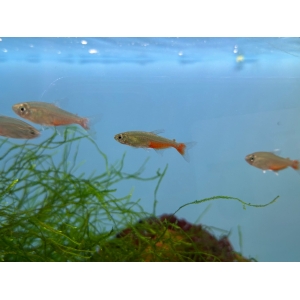
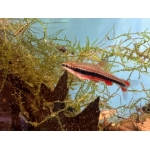
The Beckford’s Pencilfish, scientifically known as Nannostomus beckfordi, is a captivating and elegant fish hailing from the slow-moving blackwater rivers and streams of the Amazon basin. They are named for their unique habit of swimming at an angle, almost as if they are a small pencil floating in the water. This peaceful and resilient species is an excellent choice for community and planted aquariums, offering a flash of colour and a graceful presence.
Key Characteristics
- Appearance: The body is slender and elongated, with a dominant black or dark brown horizontal stripe running from the tip of the snout to the caudal fin. Above this stripe, the body has a beautiful red, gold, or bronze colouration, which is more pronounced in males.
- Size: An adult Beckford’s Pencilfish typically reaches a length of around 4.5 cm (about 1.8 inches), making them a perfect candidate for smaller to medium-sized tanks.
- Lifespan: With proper care, these fish can live for 3 to 5 years, providing long-term enjoyment for the aquarist.
Care and Tank Requirements
- Tank Size: A minimum tank size of 60 litres (15 gallons) is recommended for a small shoal of six to eight fish. A longer tank is preferable to a taller one, as it gives them more space to swim horizontally.
- Water Parameters: They are quite adaptable but thrive in soft, slightly acidic water. The ideal temperature range is to ( to ), with a pH of 5.5 to 7.5. Consistent water quality is key, so regular partial water changes are essential.
- Tank Setup: A heavily planted tank with plenty of cover is ideal. Use a dark substrate to bring out their vibrant colours and provide them with a sense of security. Floating plants can help to diffuse lighting, mimicking their natural environment. A gentle water flow is best, as they are not accustomed to strong currents.
Diet
Beckford’s Pencilfish are omnivores with a preference for a varied diet. They will readily accept high-quality flakes and small granules. To maintain their health and colouration, it’s vital to supplement their diet with live or frozen foods like brine shrimp, daphnia, and micro-worms. They are surface feeders, so ensure any food you provide is small enough for their mouths.
Behaviour and Compatibility
- Temperament: These fish are peaceful and should be kept in a shoal of at least six individuals to feel secure and display their natural behaviours. While they are peaceful, males can sometimes engage in territorial, but harmless, sparring with each other. This is easily mitigated in a larger group with plenty of hiding spots.
- Tank Mates: Due to their small size and placid nature, they should only be housed with other small, non-aggressive species. Suitable tank mates include small rasboras, neon or cardinal tetras, and peaceful bottom dwellers like Pygmy Corydoras or Otocinclus catfish. Avoid keeping them with fin-nipping species or large, boisterous fish that could intimidate them.
Convenient nationwide delivery; you’re only a click away!
General Enquiries
There are no enquiries yet.