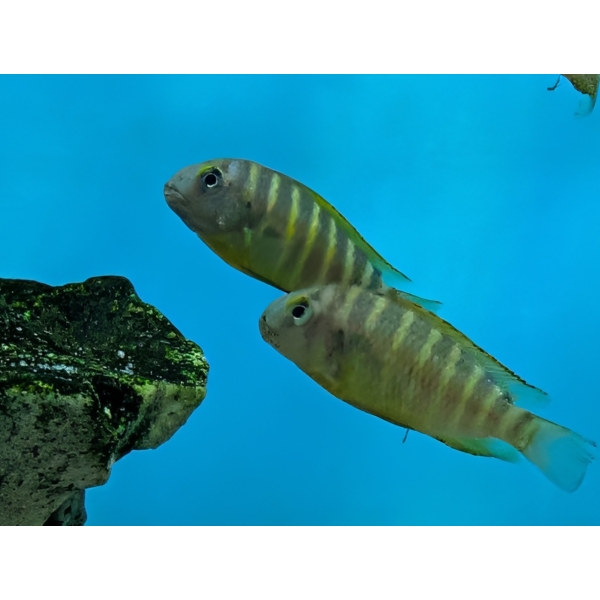
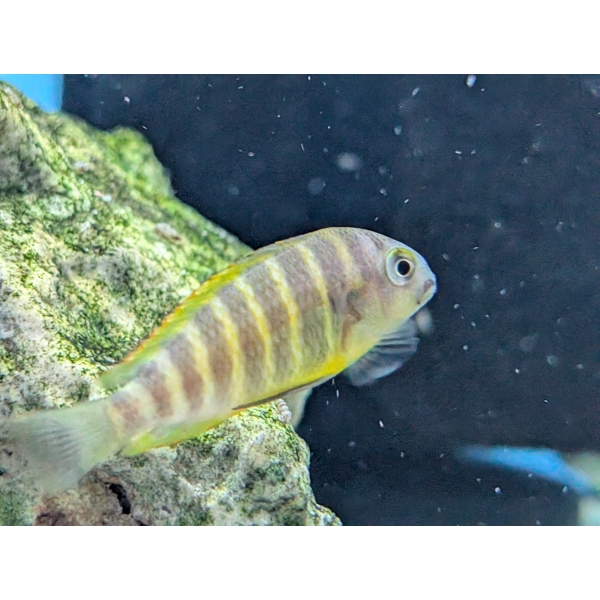
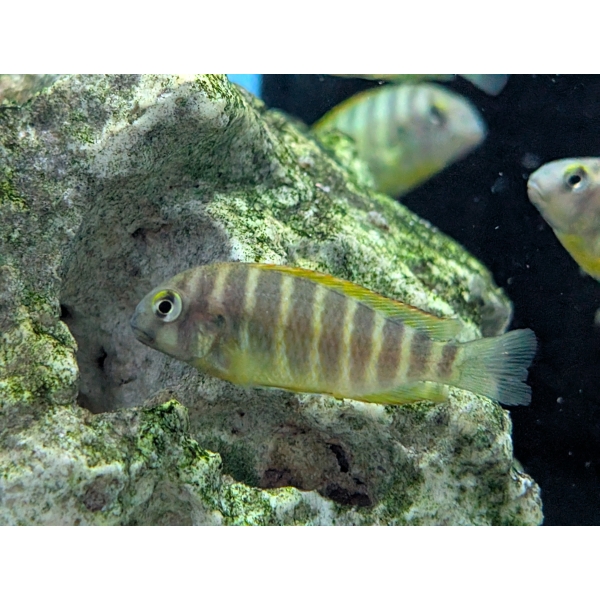
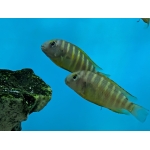
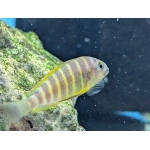
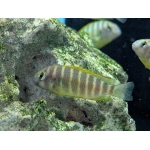

Brichards Tropheus Tropheus Brichardi “Ujiji”
£150.00
The price is for a group of 12 juvenile Tropheus Brichardi
- Description
- Store Policies
- Enquiries
Description
‘Ujiji’ Brichard’s Tropheus (Tropheus brichardi)
A Comprehensive Care Guide:
The Brichard’s Tropheus “Ujiji” is a vibrant and highly active rock-dwelling cichlid from Lake Tanganyika in East Africa. Distinguished by its striking colouration and energetic nature, this particular variant is a beautiful and rewarding fish for experienced aquarists. Like all Tropheus species, however, it comes with a reputation for intense aggression and specific dietary requirements that must be met to ensure its long-term health and the stability of the aquarium. This guide will provide detailed information on the specialised care needed for this stunning cichlid.
Taxonomy and Classification
- Kingdom: Animalia
- Phylum: Chordata
- Class: Actinopterygii
- Order: Cichliformes
- Family: Cichlidae
- Genus: Tropheus
- Species: brichardi
The “Ujiji” moniker refers to a specific geographic population of Tropheus brichardi found near the Ujiji region on the Tanzanian side of Lake Tanganyika. This is a regional colour variant, not a separate subspecies.
Habitat and Distribution
Tropheus brichardi are native to the rocky, shallow littoral zone of Lake Tanganyika. The “Ujiji” variant is found along the rocky shoreline near the town of Ujiji. In its natural environment, it lives among the rocks and boulders, constantly grazing on the aufwuchs—a thick layer of algae and the micro-organisms that live within it. This habitat is characterised by extremely clear, hard, and alkaline water.
Physical Characteristics
The “Ujiji” Brichard’s Tropheus is a fish with an elegant, elongated body shape compared to some of the stockier Tropheus moori variants.
- Colouration: This variant is celebrated for its stunning appearance. It has a base body colour that can range from a dark, almost charcoal grey to a reddish-brown. Its most defining feature is the contrasting bright yellow to orange fins, which are particularly vivid on the dorsal and caudal fins.
- Body Shape: It possesses the characteristic down-turned mouth of all Tropheus, adapted for scraping food off rocks. Its body is slightly more streamlined than other Tropheus species.
- Size: It typically reaches an adult size of 10–12 centimetres (4–4.7 inches).
Diet and Feeding
The diet is the single most critical factor for the health of all Tropheus cichlids. They are strict herbivores and their digestive systems are not built to process animal protein.
- Staple Diet: The core of their diet must be a high-quality, spirulina-based flake or pellet food. This should be the primary source of nutrition.
- Supplements: You can occasionally offer small amounts of blanched vegetables like spinach or shelled peas as a treat.
- Avoid: It is paramount that you never feed them protein-rich foods such as bloodworms, brine shrimp, or beef heart. This can lead to a potentially fatal bacterial infection of the digestive tract, commonly known as “Tropheus bloat.” Feed small amounts several times a day to simulate their natural grazing behaviour.
Behaviour and Temperament
The “Ujiji” is an intensely active and highly aggressive cichlid. It is not suitable for a calm community tank.
- Shoaling Fish: This species is a social, shoaling cichlid and must be kept in a large group, ideally of 15 or more individuals. Keeping a large number of fish helps to spread out the aggression and establish a stable social hierarchy, preventing one individual from being relentlessly harassed.
- Territoriality: Both males and females are highly territorial, especially when establishing their own spaces among the rocks.
- Tank Mates: The best tank mates are other Tropheus species or variants that require the same water parameters and diet. Other robust, rock-dwelling Tanganyikan cichlids may be considered in very large aquariums, but this requires extensive planning.
Aquarium Care
Replicating the hard, alkaline, and well-oxygenated environment of Lake Tanganyika is essential for the longevity of your fish.
- Tank Size: A minimum tank size of 400 litres (100 US gallons) is necessary for a small shoal of this species. The extra volume helps to dilute waste and create more space for territories.
- Water Parameters:
- Temperature: 24–26°C (75–79°F).
- pH: 8.0–9.0. A high, stable pH is non-negotiable. Use a crushed coral substrate or commercial buffers to maintain this.
- Hardness: 10–20 dGH (hard to very hard water).
- Filtration: Powerful, over-rated filtration is a must to keep the water pristine and well-oxygenated. A large canister filter is highly recommended.
- Decor: The tank should be dominated by a significant amount of rockwork that reaches from the bottom to near the surface. This creates the necessary caves, crevices, and visual barriers that mimic their natural habitat and reduce aggression.
- Maintenance: Regular and large weekly water changes of 30–50% are vital to prevent the build-up of nitrates and to maintain stable water chemistry.
Convenient nationwide delivery; you’re only a click away!
Please put your desired delivery day in the Order Notes on the Checkout page.
General Enquiries
There are no enquiries yet.