



Rio Tomo Catfish Hoplisoma sp.CW217
£68.00
CW217
Bulk Offer – 3 for £195.00
Discount will apply at checkout.
- Description
- Store Policies
- Enquiries
Description
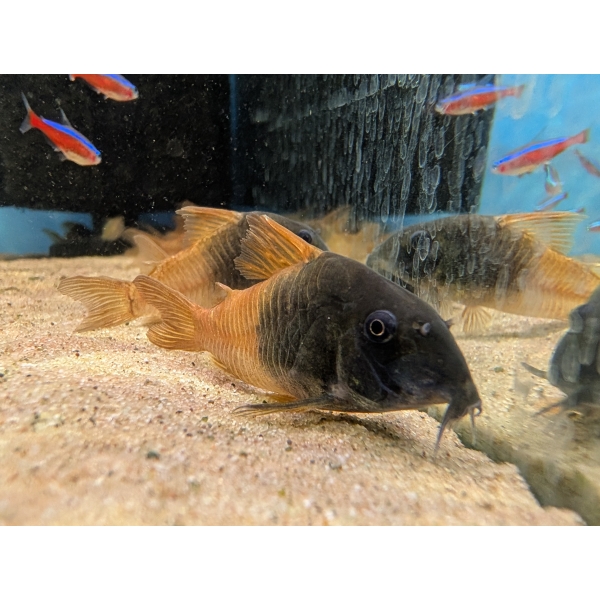
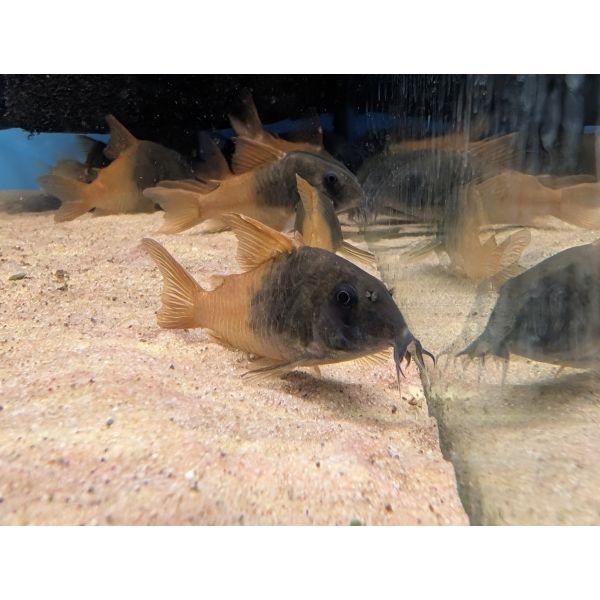
Rio Tomo Catfish (Hoplisoma sp. CW217)
Species Profile:
The Rio Tomo Catfish, scientifically designated asHoplisoma sp.CW217 is a rare and highly sought-after armoured catfish recently introduced to the aquarium hobby. Belonging to the lineage 9 “short-snouted” group, this species was formerly classified under Corydoras before the genus Hoplisoma was resurrected in 2024.
1. Natural Habitat and Origin
- Locality: Originates from the Rio Tomo drainage in the Orinoco basin of Colombia.
- Environment: Typically inhabits slow to moderately flowing blackwater environments characterised by fine-leaf litter and sandy substrates.
- Taxonomy: It is closely related to Hoplisoma concolor (Slate Cory), but is considered a distinct locality-specific form or potentially a separate subspecies due to its unique bicolor patterning and lack of spotting.
2. Physical Characteristics
- Size: Reaches an adult length of approximately 5–7.5 cm (2.0–3.0 inches).
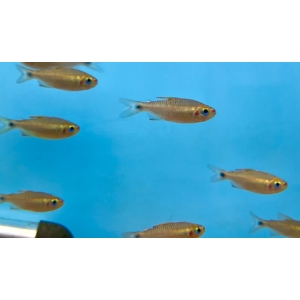
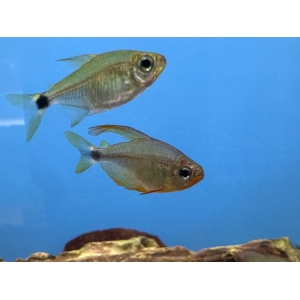
- Appearance: Features a shimmering pale-silver body with an elegant black “mask” over the eyes and a bold black stripe along the dorsal ridge. Mature specimens often display a striking bicolor contrast that intensifies as they settle into stable aquarium conditions.
- Sexual Dimorphism: Females are noticeably larger and broader when viewed from above. Males often develop longer, more pointed pelvic and dorsal fins.
3. Aquarium Requirements
- Minimum Tank Size: A 75–90 litre (20-gallon) tank is recommended for a small group.
- Water Parameters:
- Temperature: 22°C – 28°C (72°F – 82°F).
- pH: 6.0 – 7.5 (slightly acidic to neutral).
- Hardness: Soft to moderately hard, ideally 2–12 dGH.
- Substrate: A fine sand substrate is mandatory. Their delicate barbels are used for constant foraging; rough or sharp gravel can cause permanent injury or infection.
- Decor: Provide ample hiding spots using driftwood, smooth river stones, and broad-leaf plants like Anubias or Amazon Swords to mimic their natural shaded environment.
4. Diet and Social Behaviour
- Diet: Omnivorous scavengers. Provide a varied diet of high-quality sinking pellets, granules, and frozen or live foods such as bloodworms, brine shrimp, and daphnia.
- Social Structure: Highly social and gregarious; they must be kept in a group of at least 6 or more. Smaller groups may result in shy or stressed fish that do not display their natural “shoaling” behaviour.
- Compatibility: Peaceable community fish that pair well with tetras, rasboras, and dwarf cichlids.
5. Breeding
While rare in the hobby, they follow the typical Corydoradinae “T-position” mating ritual.
- Spawning Triggers: Often induced by large water changes with slightly cooler water to simulate the onset of the rainy season.
- Egg Deposition: Adhesive eggs are typically laid on the aquarium glass or the underside of broad leaves.
Convenient nationwide delivery; you’re only a click away!
Our nationwide delivery service makes it easy to receive your fish directly at your door, anywhere in the UK, for a flat rate of just £30. This convenient service allows you to order up to 10kg of fish, with the assurance that they will arrive in excellent condition. To make the fishes journey as comfortable as possible we use Oxygen in the fish bags and heat packs in all the boxes of fish we send out.
For your peace of mind we enclose a slip which will explain what to do in the event of a fish not traveling too well.
We use a licensed courier to deliver your fish directly to you door and will be with you by 1pm the next day.
Our delivery days are as follows:
Tuesday for Wednesday delivery
Wednesday for Thursday delivery
Thursday for Friday delivery
Please put your desired delivery day in the Order Notes on the Checkout page.
General Enquiries
There are no enquiries yet.