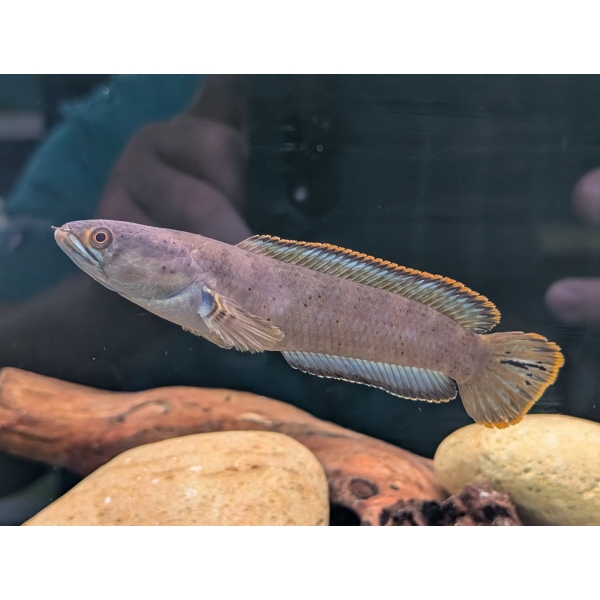
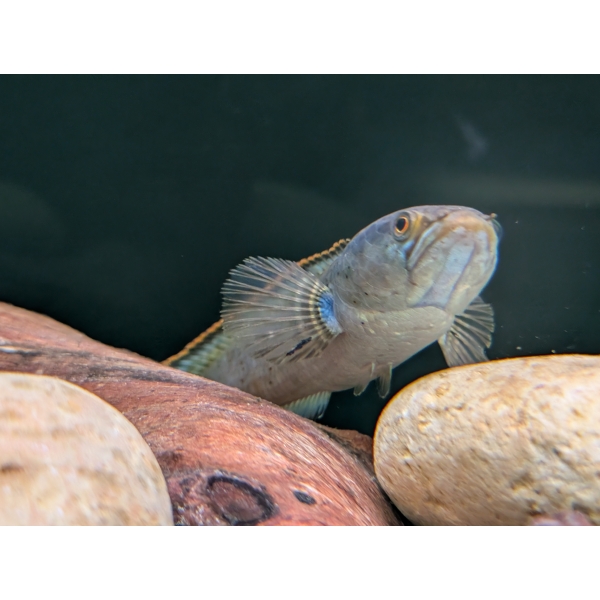
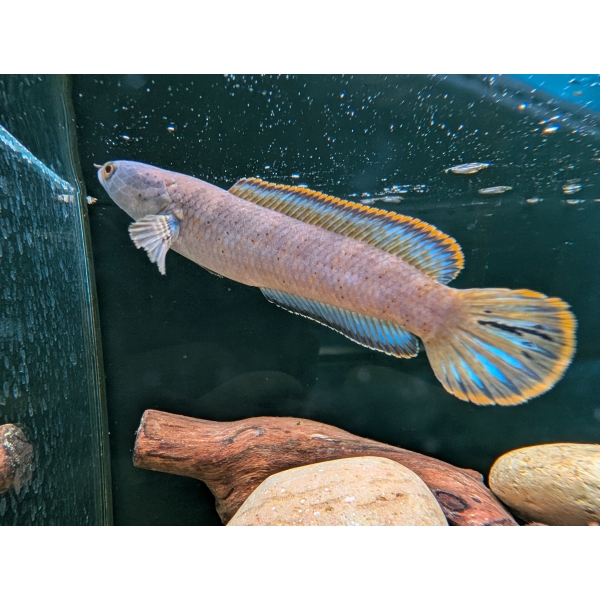
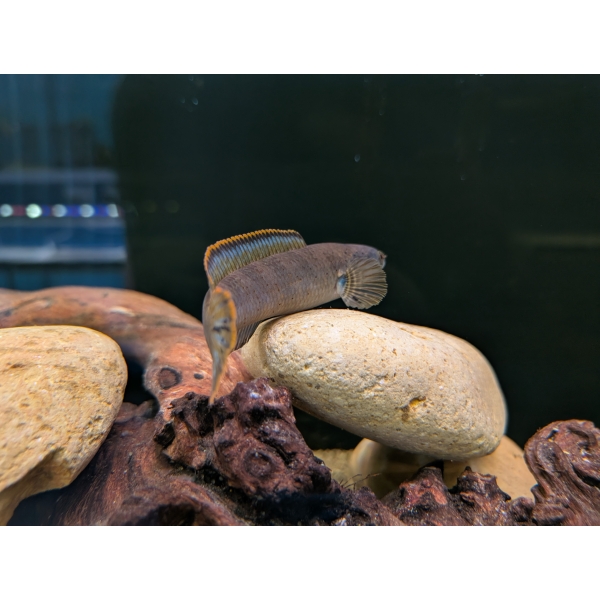
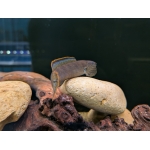

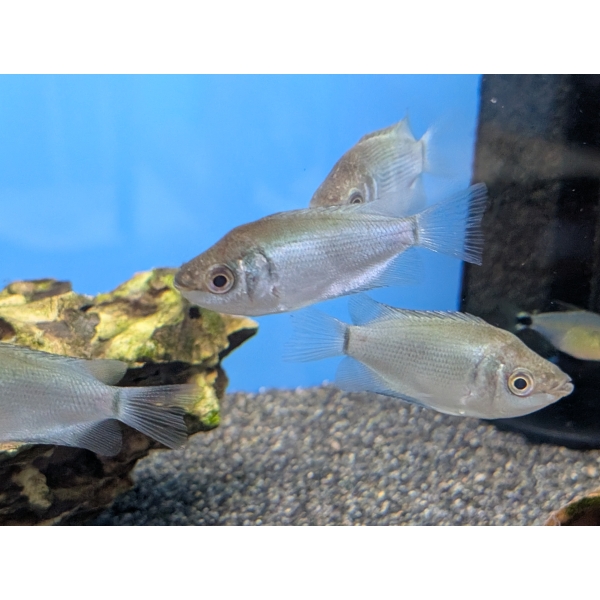
Fire and Ice Snakehead Channa pyrophthalmus
£110.00
- Description
- Store Policies
- Enquiries
Description
Fire and Ice Snakehead Channa pyrophthalmus:
A Comprehensive Care Guide
The Fire and Ice Snakehead, a dazzling and captivating freshwater predator, has quickly become a sought-after species for experienced aquarists. Known for its fiery orange-red markings around the head, which contrast with its cooler, iridescent body colors, this fish is a true gem. However, its aggressive nature and specific care requirements demand a dedicated and knowledgeable keeper. This document provides a thorough guide to the proper care and maintenance of the Fire and Ice Snakehead.
1. Species Overview
- Scientific Name: Channa sp. ‘Fire and Ice’ is the commonly used trade name. It has been recently described as Channa pyrophthalmus.
- Common Name: Fire and Ice Snakehead
- Origin: Native to the Salween River drainage in the border region of Myanmar and Thailand.
- Size: A relatively small snakehead species, reaching a maximum size of approximately 4.7 to 5.9 inches (12-15 cm).
- Lifespan: With proper care, they can live for 5 to 10 years.
2. Temperament and Behavior
The Fire and Ice Snakehead is a highly aggressive and territorial fish. It is best kept solitarily in a species-only aquarium. Keeping more than one individual is generally not recommended unless attempting to pair them for breeding, which can be a challenging process. They are active predators and will view any smaller tank inhabitants as food. Their predatory instincts also mean they can be quite interactive with their owners, often following movement outside the tank.
A key characteristic of all snakeheads is their ability to breathe atmospheric air using a suprabranchial organ. This allows them to survive in oxygen-depleted waters and even for short periods out of water. This also means it is crucial to have a tight-fitting lid on their aquarium, as they are notorious jumpers.
3. Aquarium Setup
- Tank Size: A minimum of a 30-gallon (approximately 114 liters) aquarium is recommended for a single adult. A larger tank with a greater footprint is always beneficial, providing more swimming space and territory.
- Substrate: A fine sand or smooth gravel substrate is suitable.
- Filtration: A robust and efficient filtration system is essential to handle the waste produced by these carnivorous fish. A canister filter or a large hang-on-back filter is a good choice. Water flow should be moderate.
- Decor: The aquarium should be heavily decorated with plenty of hiding places. Driftwood, caves, PVC pipes, and dense plantings (both rooted and floating) will help the snakehead feel secure and reduce stress. Floating plants are particularly beneficial as they help to dim the lighting, which this species prefers.
- Lighting: Subdued lighting is recommended. The use of floating plants can help to achieve this.
- Lid: A secure, tight-fitting lid is non-negotiable to prevent escapes.
4. Water Parameters
Maintaining stable water conditions is key to the health of your Fire and Ice Snakehead.
- Temperature: 72°F to 82°F (22°C to 28°C). A temperature in the mid-70s F (around 24-25°C) is a good target.
- pH:0 to 7.5. They are adaptable but prefer slightly acidic to neutral water.
- Hardness: A general hardness (GH) of 3 to 15 dGH is acceptable.
- Water Changes: Regular water changes of 25-30% weekly are recommended to keep nitrate levels low and the water clean.
5. Diet and Feeding
Fire and Ice Snakeheads are carnivores and require a protein-rich diet.
- Juveniles: Can be fed a variety of small, meaty foods such as bloodworms, chopped earthworms, and small crickets.
- Adults: Their diet should consist of larger, high-quality foods. Suitable options include:
- Earthworms
- Crickets and other insects
- Prawns and shrimp (fresh or frozen)
- Fish fillets (avoid oily fish)
- High-quality carnivorous pellets and frozen foods can also be offered to supplement the diet and provide essential vitamins and minerals.
Feeding Frequency:
- Juveniles: Should be fed small amounts once a day.
- Adults: Can be fed every other day or a few times a week. It is important not to overfeed, as this can lead to health problems.
Foods to Avoid:
- Feeder fish: These can introduce diseases and parasites into your aquarium.
- Mammalian meat: The fats in these meats are difficult for the fish to digest and can cause long-term health issues.
6. Breeding
Breeding Fire and Ice Snakeheads in captivity is possible but challenging due to their aggressive nature. They are paternal mouthbrooders, meaning the male incubates the eggs in his mouth until they hatch. A bonded pair is required, and even then, aggression can be a problem. Providing a separate, dedicated breeding tank with optimal conditions and plenty of hiding places is essential for any chance of success.
7. Common Health Issues
While generally hardy, Fire and Ice Snakeheads can be susceptible to common freshwater fish diseases, especially if water quality is poor or they are stressed.
- Epizootic Ulcerative Syndrome (EUS): A serious fungal infection that can cause lesions and ulcers on the body. Maintaining pristine water conditions is the best prevention.
- Parasitic Infections: Like other wild-caught fish, they can harbor internal and external parasites. Quarantine new arrivals and treat as necessary. Common ectoparasites include Trichodina.
- Bacterial Infections: Poor water quality can lead to bacterial infections, which may manifest as fin rot, body sores, or lethargy.
- Fungal Infections: Often a secondary infection on an open wound or due to poor water conditions.
Prevention is the best cure. Maintaining excellent water quality, providing a proper diet, and minimizing stress will go a long way in keeping your Fire and Ice Snakehead healthy. Any new additions to the tank should be quarantined for at least 4-6 weeks.
Convenient nationwide delivery; you’re only a click away!
General Enquiries
There are no enquiries yet.