
Humpback Pufferfish Pao palembangensis
£38.00
Humpback Pufferfish Pao palembangensis
- Description
- Store Policies
- Enquiries
Description
Humpback Pufferfish (Pao palembangensis)
Care Guide
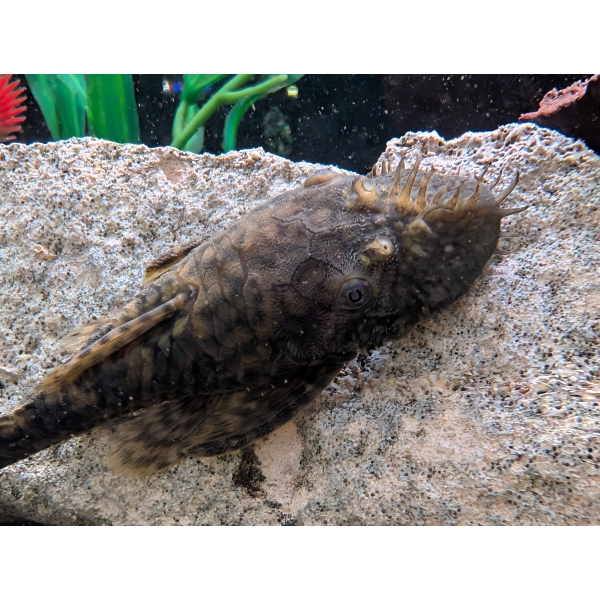
The Humpback Pufferfish, scientifically known as Pao palembangensis (formerly Tetraodon palembangensis), is an engaging and highly intelligent predatory fish originating from Southeast Asia. Distinguished by the pronounced, often asymmetrical, ridge or hump on its nape and expressive eyes, this species is known for its curious and demanding nature.
A word of caution: Like all pufferfish, this species contains Tetrodotoxin (TTX), a potent neurotoxin. Handling should be minimal, and they should never be eaten.
Key Facts and Appearance
- Scientific Name: Pao palembangensis
- Common Names: Palembang Puffer, Dragon Puffer.
- Origin: River systems and floodplains of Indonesia (Sumatra, Borneo) and Malaysia.
- Maximum Size: Typically reaches ( inches) in captivity.
- Appearance: The body is generally light brown or olive green with darker mottling, often exhibiting a beautiful mottled pattern that aids in camouflage. The dorsal hump becomes more prominent with age.
- Temperament: Highly predatory and extremely aggressive. A species-only tank is mandatory.
Aquarium Requirements and Environment
Humpback Puffers are messy eaters and have a high biological load, meaning pristine water quality and high-capacity filtration are critical.
Tank Size and Filtration
- Minimum Tank Size: A single adult requires a tank of at least ( UK gallons). A tank length of at least () is essential to provide adequate territory.
- Filtration: Over-filtration is necessary. Utilise two powerful external canister filters rated for a much larger tank to handle both mechanical waste and chemical breakdown.
- Water Flow: They prefer moderate to strong flow, mimicking their natural river habitat. This helps keep the water oxygenated and clean.
- Maintenance: Weekly water changes of are non-negotiable to keep nitrates at extremely low levels.
Substrate and Decor
- Substrate: Fine, non-abrasive sand is highly recommended. Puffers often bury themselves slightly in the substrate when resting or hunting.
- Decor: Use large, smooth rocks, driftwood, and PVC pipes to create numerous hiding spots and visual barriers. These are essential to provide security and break up the tank into definable territories.
- Plants: Hardier plants like Java Fern or Anubias attached to decor may survive, but they are often uprooted or damaged by the puffer’s curiosity and digging behaviour.
Water Parameters (Freshwater vs. Brackish)
Pao palembangensis is one of the species often misidentified regarding its salinity needs. While they inhabit the lower reaches of rivers that may be slightly brackish, they are generally accepted as true freshwater fish in the hobby.
| Parameter | Recommended Range |
|---|---|
| Temperature | () |
| pH | (Neutral to Slightly Acidic) |
| Hardness (GH/KH) | Soft to Moderate () |
| Salinity | Pure Freshwater. Salt may be added solely for medicinal purposes or to boost health, but it is not necessary for long-term keeping. |
Diet and Dental Care
This is the most critical aspect of puffer care. Puffers possess a rapidly growing, fused dental plate (often called a ‘beak’). If they do not eat hard-shelled food, their teeth will overgrow, preventing them from eating, which requires stressful manual trimming.
- Mandatory Hard Foods (To Wear Down Beak):
- Snails: Ramshorn, Bladder, and Malaysian Trumpet Snails (MTS) are essential and should form the bulk of their diet. Many aquarists keep a separate snail breeding tank.
- Crustaceans: Live or frozen freshwater shrimp (shelled), small crayfish, and small crabs.
- Bivalves: Clams, cockles, and mussels (must be unsalted and thawed).
- Soft Protein Supplements: Krill, bloodworms, and earthworms can be offered occasionally, but never as the main diet.
- Feeding Frequency: Feed once daily. Observe closely that they are chewing the food aggressively to wear down the beak.
Convenient nationwide delivery; you’re only a click away!
Our nationwide delivery service makes it easy to receive your fish directly at your door, anywhere in the UK, for a flat rate of just £30. This convenient service allows you to order up to 10kg of fish, with the assurance that they will arrive in excellent condition. To make the fishes journey as comfortable as possible we use Oxygen in the fish bags and heat packs in all the boxes of fish we send out.
General Enquiries
There are no enquiries yet.