


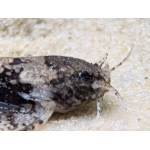


Indawgyi Stream Catfish Akysis prashadi
£6.50
Indawgyi Stream Catfish Akysis prashadi
Bulk Offer – 3 for £16.50
Discount will apply at checkout.
- Description
- Store Policies
- Enquiries
Description
Indawgyi Stream Catfish (Akysis prashadi)
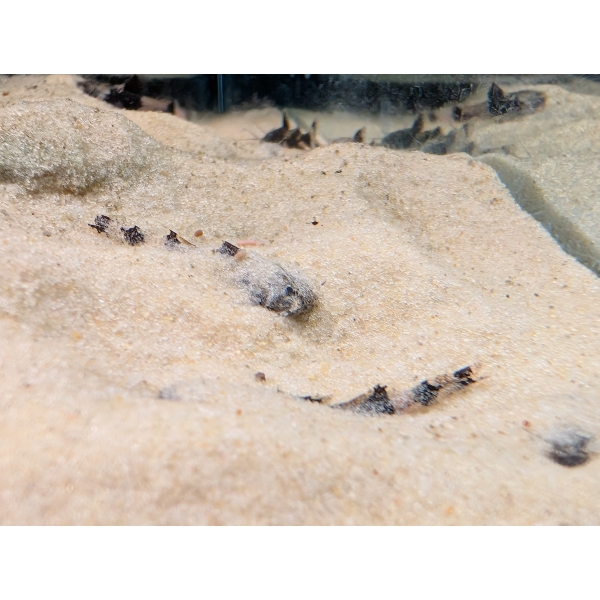
The Indawgyi Stream Catfish, or Indawgyi Akysis, is a fascinating and diminutive species belonging to the bagrid catfish family. Native to Southeast Asia, it is highly valued for its peaceful temperament and unique, mottled appearance, making it a wonderful addition to a smaller, specific-environment aquarium. They are primarily nocturnal and highly dependent on pristine, well-oxygenated water.
Key Characteristics
- Size: Very small; adults rarely exceed 4 centimetres (about 1.5 inches).
- Lifespan: Can live for 5 to 8 years in a stable, well-maintained habitat.
- Colouration: Typically a mottled brown, tan, and cream pattern, which provides excellent camouflage against leaf litter and substrate. They possess prominent sensory barbels characteristic of catfish.
- Temperament: Extremely peaceful, shy, and secretive. They are nocturnal and spend most of the daylight hours hidden away. They are not suitable for housing with large, boisterous, or aggressive fish.
- Social Note: Like most small catfish, they are social and should be kept in groups of at least six individuals to encourage confidence and natural behaviour.
Natural Habitat and Distribution
Akysis prashadi is endemic to the Indawgyi Lake drainage system in Myanmar (formerly Burma). They inhabit shallow, fast-flowing, clear-water streams and tributaries, seeking shelter among the substrate, submerged roots, and abundant leaf litter. They thrive in environments with decent water flow and high dissolved oxygen levels.
Aquarium Requirements
Tank Size
Given their small size, they do not require a massive tank, but they need stability and good filtration.
- Minimum Tank Size: 40 litres (around 10 US gallons) is the minimum for a small school, but 60 litres is recommended for better water stability.
Water Parameters
Pristine water quality and specific temperature are paramount for their health.
| Parameter | Recommended Range | Notes |
|---|---|---|
| Temperature | 20°C to 25°C (68°F to 77°F) | They prefer cooler water compared to many tropical species; avoid high temperatures. |
| pH Level | 6.0 to 7.5 | Neutral to slightly acidic is ideal. |
| Hardness (GH) | 5 to 15 dGH | Soft to moderately hard water. |
| Oxygenation | High | Essential. Use good filtration and potentially an air stone to ensure adequate aeration and water movement. |
Décor and Furnishings
The aquarium environment must cater to their secretive, nocturnal nature.
- Substrate: Fine sand is mandatory, as these catfish spend all their time sifting the substrate. Avoid sharp gravel which can damage their delicate barbels.
- Hiding Places: Provide numerous hiding spots using smooth river rocks, ceramic caves, and large pieces of driftwood.
- Leaf Litter: The use of dried leaf litter (e.g., Indian Almond Leaves or Oak leaves) is highly beneficial. It simulates their natural environment, releases helpful tannins, and provides a surface for micro-organisms which they graze upon.
- Lighting: Dim lighting is preferred, which can be achieved through floating plants or dense planting.
Diet and Feeding
Akysis prashadi is a micropredator and requires meaty foods, which must be offered after the main tank lights have been turned off, as they are strictly nocturnal feeders.
- Staple Foods: Sinking micro-pellets or catfish wafers are acceptable, but should not be the primary diet.
- Preferred Foods: Small live or frozen foods are essential: bloodworms, daphnia, grindal worms, or brine shrimp. These should be dropped near their hiding spots once the tank is dark.
- Caution: Ensure the food sinks immediately, as they rarely feed from the water column.
Social Behaviour and Compatibility
These catfish are strictly bottom-dwellers and are entirely non-aggressive.
- Grouping: Always keep them in a school of six or more to reduce stress.
- Compatible Tankmates: They are only compatible with very small, peaceful, and non-competitive species that can tolerate the cooler, highly oxygenated water.
- Small Rasboras or Microrasboras (e.g., Chili Rasbora).
- Small, peaceful Tetras (e.g., Ember Tetras).
- Dwarf Corydoras species.
- Non-aggressive shrimp (e.g., Neocaridina species).
Fish to Avoid: Any fish large enough to swallow them, competitive bottom-feeders (like larger Loricariids or Cichlids), and overly boisterous or fast-swimming species that would stress them out.
Convenient nationwide delivery; you’re only a click away!
Our nationwide delivery service makes it easy to receive your fish directly at your door, anywhere in the UK, for a flat rate of just £30. This convenient service allows you to order up to 10kg of fish, with the assurance that they will arrive in excellent condition. To make the fishes journey as comfortable as possible we use Oxygen in the fish bags and heat packs in all the boxes of fish we send out.
Please put your desired delivery day in the Order Notes on the Checkout page.
General Enquiries
There are no enquiries yet.