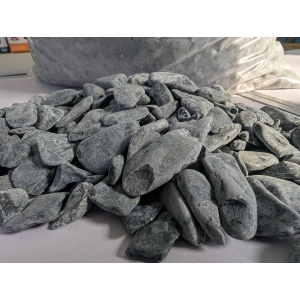
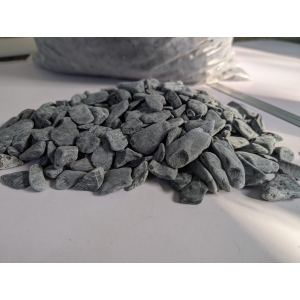
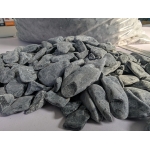
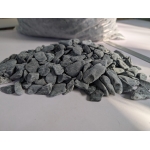
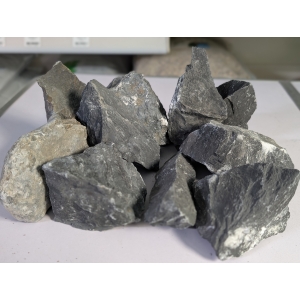
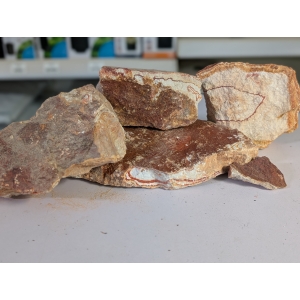
Kita Mountain pebble 1-3cm
£2.99
Kita Mountain pebble 1-3cm
- Description
- Brand
- Store Policies
- Enquiries
Description
Kita Mountain Pebble:
Material Profile:
If the Kita Mountain Stone is the “leading man” of an aquascape, the Kita Mountain Pebble is the essential supporting cast. These smaller, water-worn fragments are the secret to achieving a sense of “scale” and maturity in a natural aquarium.
By scattering these pebbles around the base of larger rock formations, an aquarist can mimic the natural process of erosion, where smaller pieces of stone break away from a cliff face and settle in the riverbed over centuries.
At a Glance
Physical Characteristics
Kita Mountain Pebbles share the same mineral DNA as their larger “mountain” counterparts but offer a softer, more organic silhouette.
-
The “Veined” Aesthetic: Like the larger stones, these pebbles often feature thin, erratic lines of white quartz or limestone. These veins stand out brilliantly against the dark grey base when submerged.
-
Shape: While “pebble” implies a perfect sphere, these are more “sub-angular.” They have been tumbled or weathered just enough to lose their sharp, dangerous edges while retaining a rugged, natural character.
-
Wet vs. Dry: When dry, they appear as a dusty, pale grey. However, once submerged, they transform into a rich, dark charcoal that provides a stunning contrast against light-coloured cosmetic sands.
Aquascaping Applications
1. The “Transition” Technique
In professional aquascaping, a common mistake is placing a large rock directly onto fine sand. This looks unnatural. Use Kita Mountain Pebbles to create a “gradient” of size:
-
Large: Main Kita Stones.
-
Medium: Kita Mountain Pebbles (40–60 mm).
-
Small: Tiny Kita rubble or coarse gravel (10–20 mm).
-
Fine: Cosmetic sand.
2. Creating a Riverbed
If you are designing a “Biotope” or a “Stream” layout, these pebbles are indispensable. By arranging them in a disordered, flowing path, you can simulate the look of a high-altitude mountain creek.
3. “Detailing” the Hardscape
Smaller pebbles can be wedged into the crevices of larger stones or glued to the base of driftwood “roots” to make the wood appear as if it has grown over a rocky outcrop.
Impact on Water Chemistry
It is important to be mindful that Kita Mountain Pebbles are not chemically inert.
-
pH and Hardness: Because of the white mineral veins (calcium carbonate), these pebbles will slowly leach minerals into the water. This typically results in a slight increase in Carbonate Hardness (KH) and pH.
-
The “Soft Water” Workaround: If you are using an active “Aquasoil” (which naturally buffers pH downwards), the soil will usually counteract the effect of the stones. However, in an inert sand setup, expect your water to remain slightly alkaline (pH 7.2–7.6).
Preparation and Care
-
The “Cloudy Water” Warning: Like all natural stone products, these pebbles arrive with a coating of fine rock dust. Rinse them thoroughly in a colander under a tap until the water runs clear.
-
Boiling? It is generally advised not to boil stones, as trapped air pockets can expand and cause the rock to crack or “pop.” A soak in hot (not boiling) water is more than sufficient.
-
Algae Management: Because they are dark, they can show green spot algae quite clearly. Use a stiff-bristled toothbrush during your weekly water change to keep the “Platinum” veins looking bright.
Design Tip: > Try to avoid using only one size of pebble. Nature is messy; mixing different diameters of Kita Mountain Pebbles creates a much more convincing and “wild” look than a uniform layer of identical stones.
Brand
Hugo Kamishi
General Enquiries
There are no enquiries yet.