
Small Scale Tetra (Mimagoniates microlepis)
£15.00
Bulk Offer – 6 for £85.00
Discount will apply at checkout.
- Description
- Store Policies
- Enquiries
Description
Mimagoniates microlepis:
A Comprehensive Overview
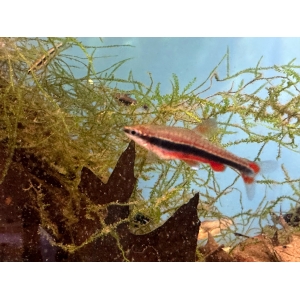
Mimagoniates microlepis, commonly known as the Blue Tetra or Blue Diamond Tetra, is a fascinating species of freshwater fish belonging to the family Characidae. Native to South America, particularly the coastal drainages of southeastern Brazil, this small and vibrant fish is a popular choice among aquarists due to its striking appearance and relatively peaceful temperament.
Taxonomy and Classification
- Kingdom: Animalia
- Phylum: Chordata
- Class: Actinopterygii
- Order: Characiformes
- Family: Characidae
- Genus: Mimagoniates
- Species: Mimagoniates microlepis
The genus Mimagoniates is distinguished by several unique morphological features, and M. microlepis is one of its most well-known members.
Habitat and Distribution
Mimagoniates microlepis is endemic to the Atlantic Forest biome of southeastern Brazil. Its natural habitat typically consists of clear, slow-moving streams, rivers, and coastal lagoons. These environments are often characterised by dense vegetation, submerged roots, and leaf litter, which provide ample hiding spots and a rich food source. The water parameters in these areas are generally soft and acidic, with temperatures ranging from 20-26°C (68-79°F).
Physical Characteristics
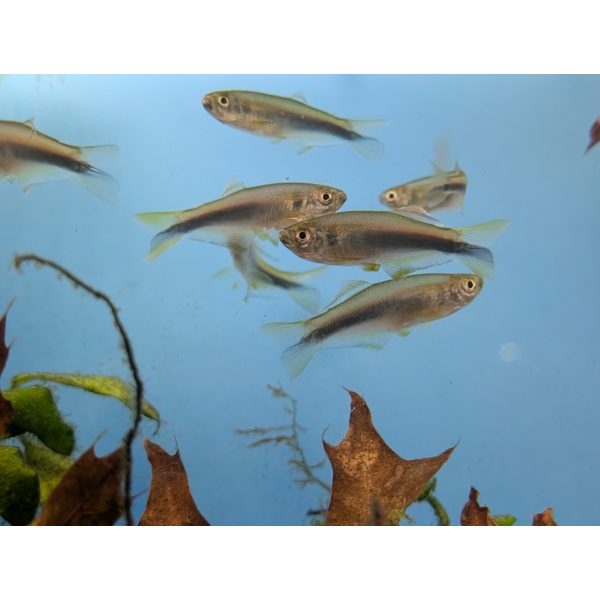
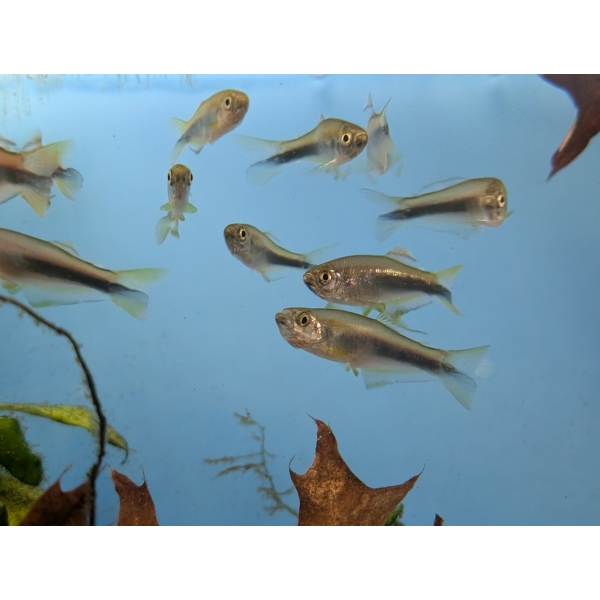
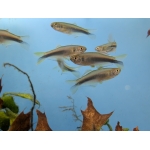
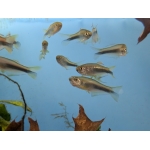
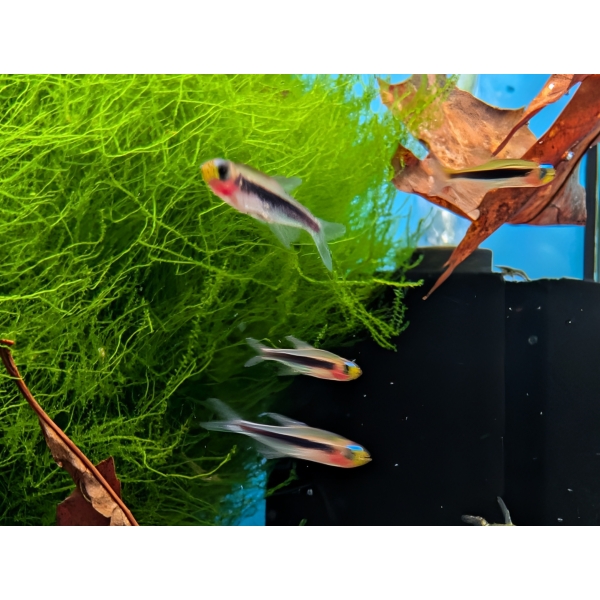
The Blue Tetra is a relatively small fish, usually reaching an adult size of around 4-5 cm (1.6-2 inches) in total length. Its most distinctive feature is its iridescent blue coloration, which can vary in intensity depending on the fish’s mood, health, and lighting conditions. Males are typically more brightly coloured than females, especially during breeding periods, and may also exhibit elongated fins.
Key physical characteristics include:
- Body Shape: Elongated and somewhat compressed laterally.
- Colouration: Predominantly iridescent blue, often with hints of green or purple. Some individuals may display a subtle dark lateral line.
- Fins: Transparent or lightly tinted, with males sometimes having extended dorsal and anal fins.
- Eyes: Relatively large, often with a metallic sheen.
Diet and Feeding
In its natural habitat, Mimagoniates microlepis is primarily a micropredator, feeding on small invertebrates, insect larvae, and zooplankton. In an aquarium setting, they are omnivorous and readily accept a variety of foods, including high-quality flake food, small pellets, frozen brine shrimp, daphnia, and bloodworms. A varied diet is crucial for maintaining their vibrant colouration and overall health.
Behaviour and Temperament
The Blue Tetra is a schooling fish and thrives when kept in groups of six or more individuals. This not only promotes their natural behaviour but also helps to reduce stress and allows their full colour potential to be displayed. They are generally peaceful and well-suited for community aquariums with other small, non-aggressive species. However, like many tetras, males may exhibit some territorial behaviour towards each other, especially if space is limited or during spawning.
Reproduction
Mimagoniates microlepis are egg-scatterers and typically spawn among fine-leaved plants or spawning mops. Breeding in captivity can be achieved with proper conditioning and water parameters. The female will scatter small, adhesive eggs, which the male then fertilises. The eggs usually hatch within 24-48 hours, and the fry become free-swimming a few days later. Parental care is minimal, and adults may predate on eggs and fry, so a separate breeding tank is recommended for successful rearing.
Conservation Status
While Mimagoniates microlepis is not currently listed as endangered by the IUCN, its natural habitat in the Atlantic Forest is under significant threat from deforestation, agriculture, and urban development. Habitat degradation and pollution pose ongoing challenges to the wild populations of this species and many others in the region. Sustainable aquaculture practices and responsible pet ownership can help to alleviate pressure on wild stocks.
Aquarium Care
For aquarists interested in keeping Mimagoniates microlepis, here are some essential care guidelines:
- Tank Size: A minimum of 60 litres for a small group. Larger tanks are always preferable.
- Water Parameters:
- Temperature: 20-24°C (68-77°F)
- pH: 6.8-7.0 (slightly acidic to neutral)
- Hardness: 2-10 dGH (soft to moderately soft)
- Filtration: Good filtration is essential, but strong currents should be avoided as they prefer calmer waters.
- Decor: Provide plenty of live plants, driftwood, and leaf litter to mimic their natural environment and offer hiding places.
- Lighting: Moderate lighting is generally preferred.
- Tank Mates: Suitable tank mates include other small, peaceful tetras, rasboras, dwarf cichlids, corydoras, and small plecos. Avoid housing them with large or aggressive fish.
- Maintenance: Regular water changes (25-30% weekly) are crucial for maintaining water quality.
By providing appropriate care, aquarists can enjoy the beauty and lively behaviour of Mimagoniates microlepis for many years.
Convenient nationwide delivery; you’re only a click away!
General Enquiries
There are no enquiries yet.