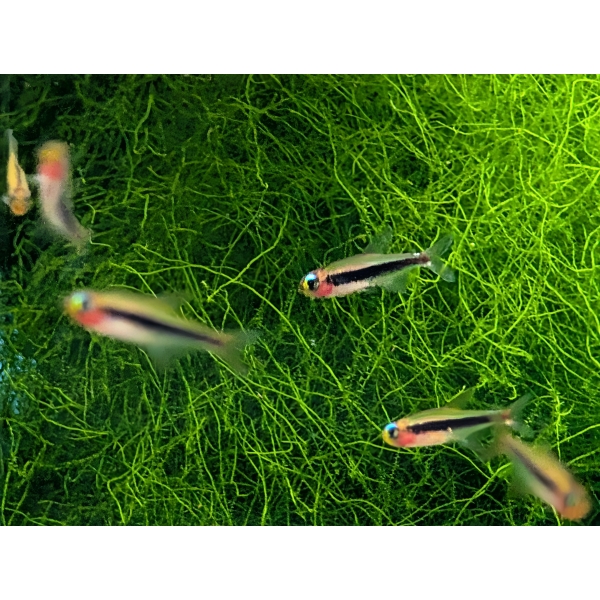
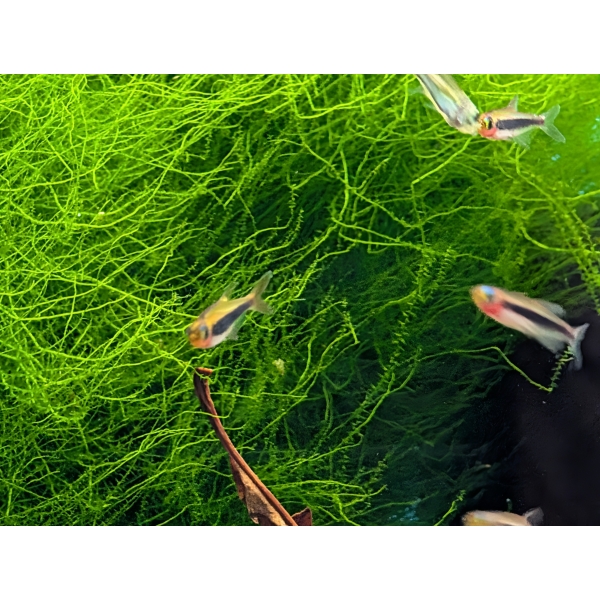
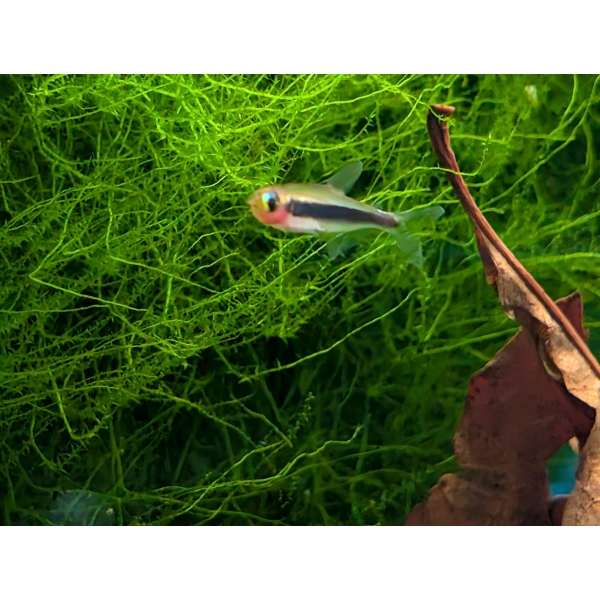
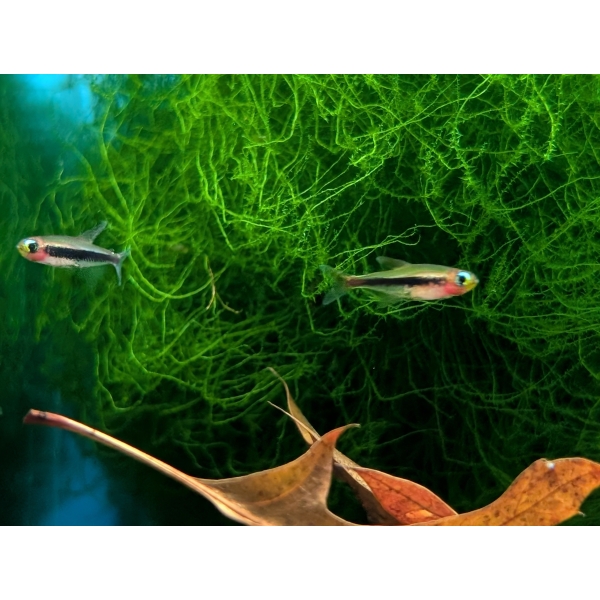
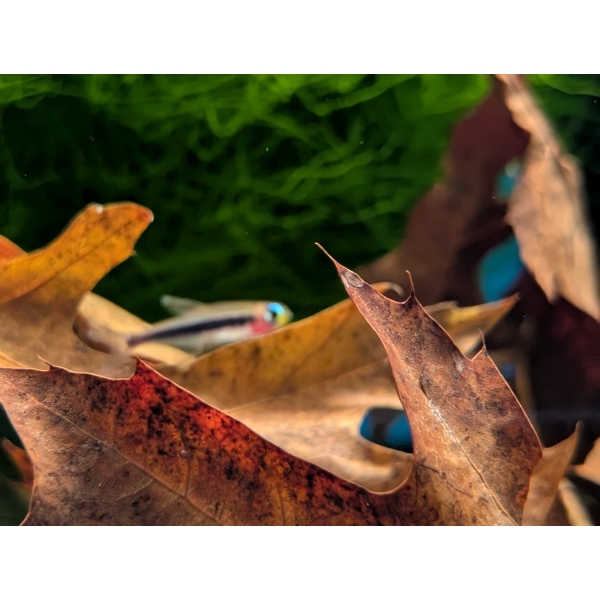
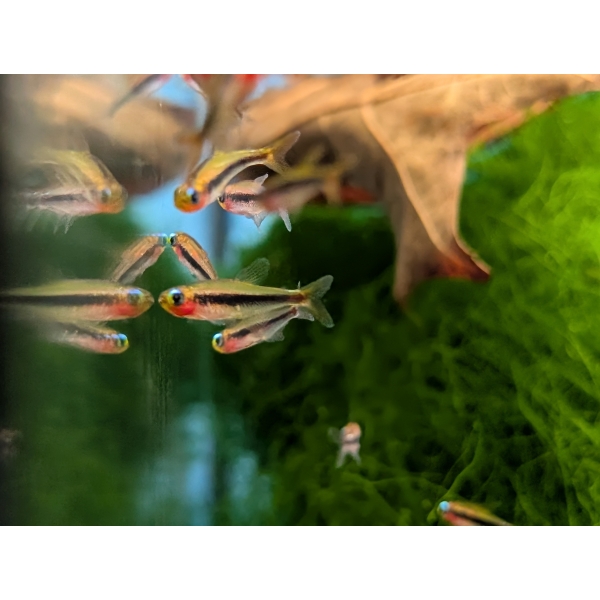
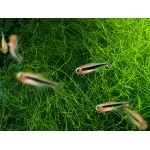
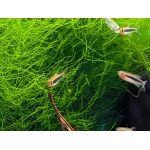
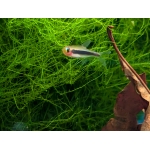
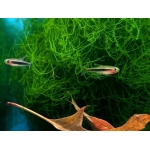

Tucan Tetra Tucanoichthys tucano
£10.00
Bulk Offer – 6 for £55.00
Discount will apply at checkout.
- Description
- Store Policies
- Enquiries
Description
Tucanoichthys tucano:
A Comprehensive Overview
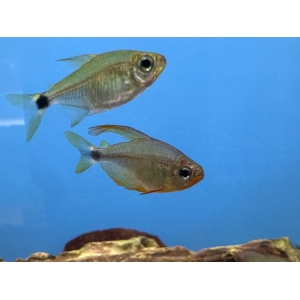
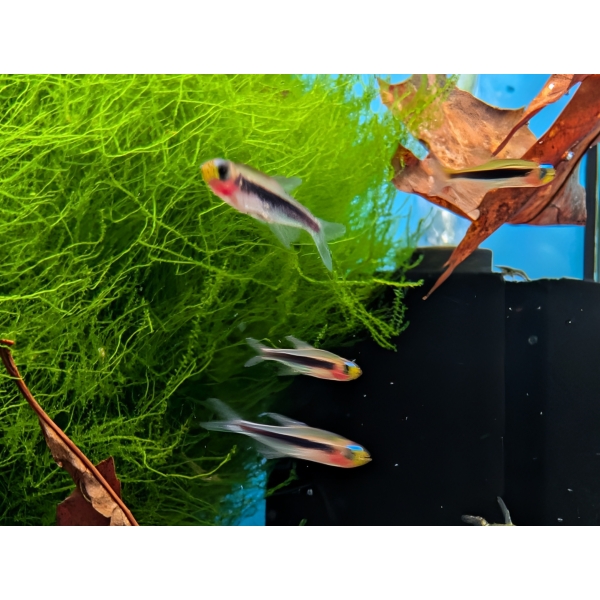
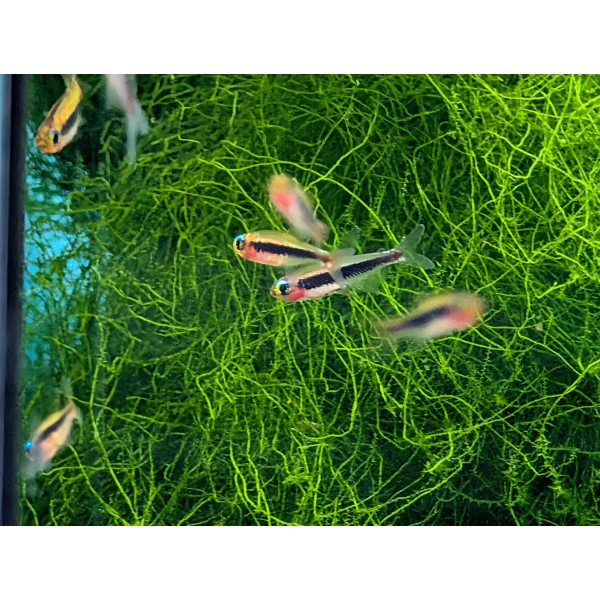
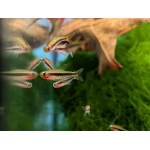
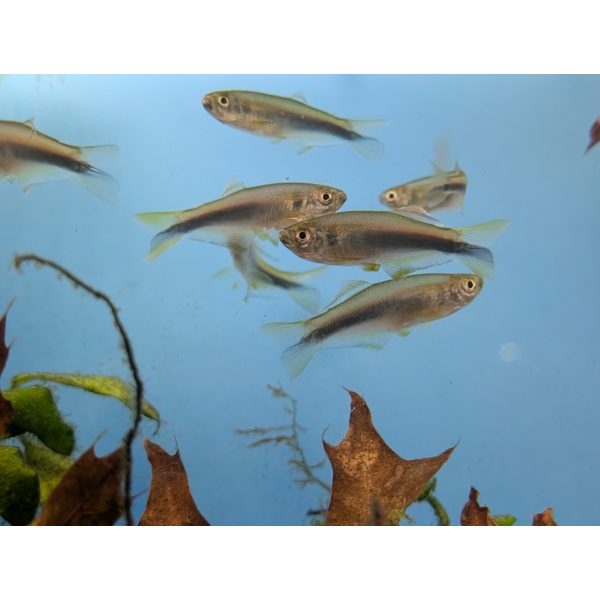
Tucanoichthys tucano, commonly known as the Tucan Tetra, is a captivating and relatively recently described species of freshwater fish belonging to the family Characidae. Native to the blackwater environments of the Rio Negro basin in Brazil, this diminutive and strikingly coloured fish has gained popularity among aquarists due to its unique appearance and peaceful nature.
Taxonomy and Classification
- Kingdom: Animalia
- Phylum: Chordata
- Class: Actinopterygii
- Order: Characiformes
- Family: Characidae
- Genus: Tucanoichthys
- Species: Tucanoichthys tucano
The genus Tucanoichthys is monotypic, meaning T. tucano is currently the only species within it, highlighting its distinctiveness within the Characidae family.
Habitat and Distribution
Tucanoichthys tucano is endemic to the upper Rio Negro basin in the Amazonas state of Brazil. Its natural habitat consists of highly acidic, soft, and tannin-stained blackwater streams and pools, often found within the dense Amazon rainforest. These environments are typically characterised by a substrate of fine sand and abundant leaf litter, which contributes to the water’s dark colour and low pH. The water temperature in these areas generally ranges from 24-26°C (75-80°F).
Physical Characteristics
The Tucan Tetra is a very small fish, typically reaching an adult size of only 2-2.5 cm (0.8-1 inch) in total length, making it one of the smallest tetra species. Its most notable features are its vibrant colouration and slender body.
Key physical characteristics include:
- Body Shape: Slender and elongated, with a somewhat compressed body.
- Colouration: Males display intense red-orange to reddish-brown hues, particularly along the flanks and fins, contrasted with a prominent dark lateral stripe that runs from the snout to the caudal fin base. Females are generally less intensely coloured. The eyes often have a reflective quality.
- Fins: Transparent or lightly coloured, with the caudal fin sometimes showing a reddish tint.
- Eyes: Relatively large for its body size.
Diet and Feeding
In its natural environment, Tucanoichthys tucano is a micropredator, feeding primarily on tiny invertebrates, insect larvae, and zooplankton found in the water column and among the leaf litter. In an aquarium setting, due to their small mouth size, they require very small, high-quality foods. Suitable options include micro-pellets, crushed flake food, frozen or live baby brine shrimp, daphnia, and microworms. A varied diet is essential for their health and to enhance their colouration.
Behaviour and Temperament
The Tucan Tetra is a peaceful and shy schooling fish. They thrive when kept in groups of at least 8-10 individuals, which helps to build their confidence and allows them to display their natural shoaling behaviour. In smaller groups or without adequate hiding places, they can become withdrawn and stressed. They are an excellent choice for nano aquariums and community tanks with other very small, equally peaceful species. They are not competitive feeders, so care must be taken to ensure they get enough food when housed with more boisterous tank mates.
Reproduction
Tucanoichthys tucano are egg-scatterers, typically spawning among fine-leaved plants or spawning mops in soft, acidic water. Breeding in captivity can be challenging but rewarding. The female will scatter tiny, adhesive eggs, which the male then fertilises. The eggs are very small and can be easily predated upon by adults, so a separate breeding tank with very fine-leaved plants or a spawning mop is recommended. Eggs usually hatch within 24-36 hours, and the fry are incredibly small, requiring infusoria or liquid fry food initially.
Conservation Status
As a relatively recently described species with a specific habitat in the Amazon, the conservation status of Tucanoichthys tucano is not extensively documented by organisations like the IUCN. However, like many species in the Amazon basin, its natural habitat is vulnerable to threats such as deforestation, illegal logging, mining, and water pollution. Responsible collection practices and sustainable aquaculture are important for ensuring the long-term viability of this species in both the wild and the aquarium trade.
Aquarium Care
For aquarists interested in keeping Tucanoichthys tucano, here are some essential care guidelines:
- Tank Size: A minimum of 20-30 litres (5-8 gallons) for a small group, though larger tanks are always beneficial for stability.
- Water Parameters:
- Temperature: 24-26°C (75-80°F)
- pH: 4.5-6.0 (highly acidic, mimicking blackwater conditions)
- Hardness: 0-5 dGH (very soft)
- Filtration: Gentle filtration is crucial; sponge filters or small hang-on-back filters with a low flow rate are ideal. Strong currents should be avoided.
- Decor: Replicate their natural blackwater environment with plenty of driftwood, Indian almond leaves (to release tannins), and dense planting. Dim lighting is preferred.
- Substrate: Fine sand is suitable.
- Tank Mates: Best kept with other very small, peaceful, and shy species that prefer similar soft, acidic water conditions, such as other nano tetras (e.g., Ember Tetras), small rasboras, or micro-corydoras. Avoid anything large or boisterous.
- Maintenance: Regular small water changes (10-15% weekly) are essential to maintain pristine water quality without causing drastic parameter shifts. Ensure replacement water is conditioned to match tank parameters.
By providing the specific conditions they require, aquarists can enjoy the delicate beauty and intriguing behaviour of Tucanoichthys tucano in a well-maintained blackwater setup.
Convenient nationwide delivery; you’re only a click away!
General Enquiries
There are no enquiries yet.