Wood Grain Whiptail catfish F1
£30.00
Wood Grain Whiptail catfish F1
- Description
- Store Policies
- Enquiries
Description
Wood Grain Whiptail Catfish
(Rineloricaria sp. Jacareacanga)
Care Guide
The Wood Grain Whiptail Catfish is an exquisite and peaceful South American Loricariid, distinguished by its intricate patterning and often reddish-brown colouration. It hails specifically from the lower stretches of the Rio Tapajós basin in Brazil. Like all whiptails, it is a specialist bottom-dweller, appreciating a clean, highly oxygenated river environment.
Key Characteristics and Appearance
- Size: This species is considered a medium-sized whiptail, typically reaching around to () in adult length.
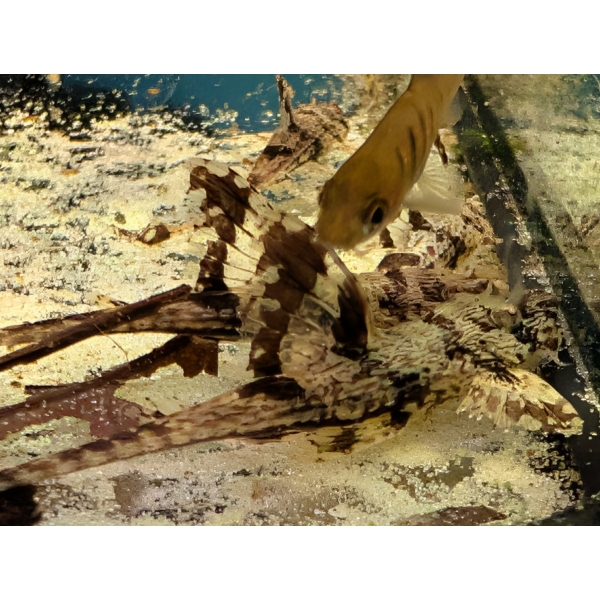
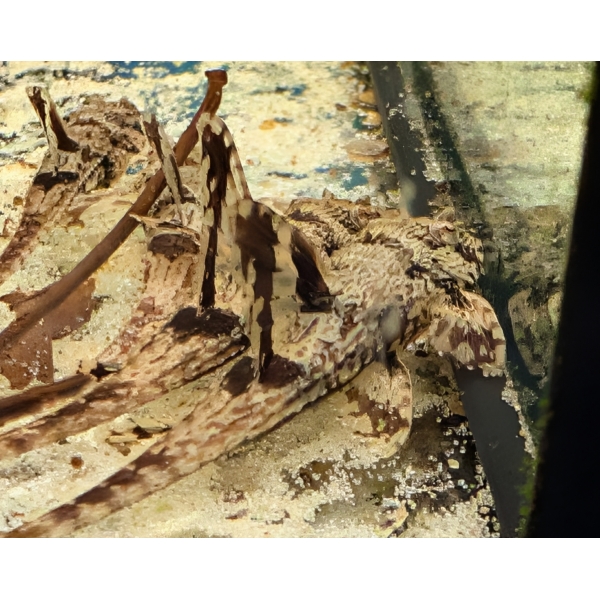
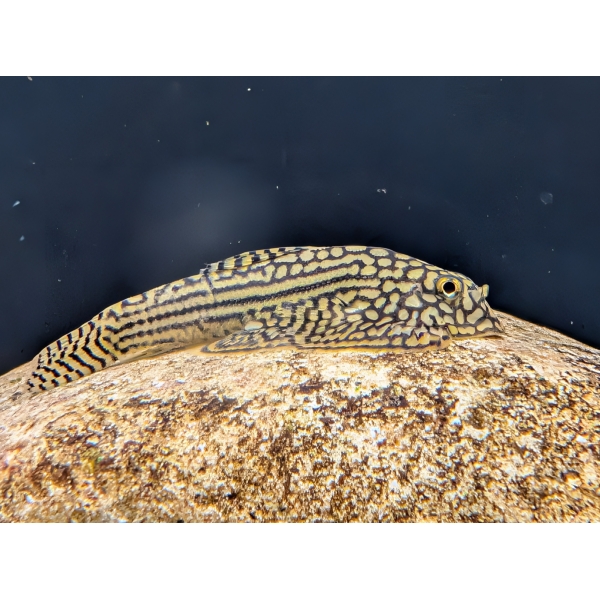
- Appearance: They possess the characteristic elongated, flattened body of the Rineloricaria genus, ending in a delicate filament on the caudal (tail) fin. Their skin features complex, often segmented, dark brown or reddish patterns over a paler tan base, allowing for exceptional camouflage against dark substrate and wood.
- Temperament: They are exceptionally docile, non-aggressive, and timid fish. They pose no threat to any other tank inhabitants. They are most active at night or during the day when hunting for food in shaded areas.
- Lifespan: With attentive care and stable water quality, they can live for years.
Water Parameters and Quality
Rineloricaria jacareacanga requires pristine water conditions, mimicking the fast-flowing, clean, blackwater or clearwater tributaries of the Amazon basin.
- Temperature: to ( to ). They prefer the warmer end of the tropical range.
- pH Level (Acidity/Alkalinity): Soft, slightly acidic water is optimal, with a pH range of to .
- Hardness (): Very soft to soft water is preferred, ideally less than .
- Maintenance: Strict water quality management is mandatory. Weekly water changes of are necessary to keep nitrates very low. They are highly sensitive to sudden chemical swings.
Aquarium Setup and Environment
The Jacareacanga Whiptail requires a well-structured and mature aquarium setup that caters to its shy, bottom-dwelling behaviour.
- Tank Size: A minimum of ( gallons) is recommended, focusing on the tank’s floor space rather than height.
- Substrate: Sand or very fine, smooth gravel is essential. Coarse substrates can injure their delicate ventral fins and barbels.
- Filtration and Flow: High levels of oxygenation and water movement are crucial. Use a strong external filter (e.g., a canister filter) to achieve high turnover, creating good current across the substrate.
- Décor (Focus on Wood): Large pieces of bogwood or driftwood must be provided. They thrive when they can rest, hide, or perch vertically on the wood. The addition of leaf litter (e.g., dried Indian almond leaves) helps replicate their natural habitat, releasing beneficial tannins and encouraging biofilm growth.
- Lighting: Keep lighting dim or create shaded areas using tall background plants or floating plants to encourage them to be active during the day.
Diet and Feeding Requirements
Like most Rineloricaria, this species is an omnivore with a strong preference for vegetable matter and detritus.
- Primary Diet: Sinking, high-quality algae wafers or bottom-feeder tablets should be a daily staple.
- Vegetable Matter: They must be offered fresh, blanched vegetables several times a week, such as courgette (zucchini), shelled peas, or sweet potato. Leave the vegetable piece in the tank overnight and remove any uneaten remnants the next morning.
- Protein Supplements: Occasional feedings of small frozen foods like tubifex or artemia (brine shrimp) are important for health and breeding condition.
- Feeding Time: Always feed them after the main tank lights have been turned off, as this ensures the slow-moving whiptails get enough food before faster, surface-dwelling fish consume it.
Compatibility and Breeding
- Tank Mates: Excellent companions include small, peaceful, mid-water fish that appreciate similar water conditions, such as Discus, Dwarf Cichlids (Apistogramma), Tetras (e.g., Cardinals, Rummynose), and Rasboras. Avoid aggressive species or other large, competitive bottom-feeders.
- Breeding: They are cavity-spawners. If kept in soft, warm water with high oxygen content and provided with suitable narrow caves (e.g., ceramic spawning tubes or tight crevices in wood), they may breed. The male typically guards the eggs until they hatch.
Convenient nationwide delivery; you’re only a click away!
Our nationwide delivery service makes it easy to receive your fish directly at your door, anywhere in the UK, for a flat rate of just £30. This convenient service allows you to order up to 10kg of fish, with the assurance that they will arrive in excellent condition. To make the fishes journey as comfortable as possible we use Oxygen in the fish bags and heat packs in all the boxes of fish we send out.
Please put your desired delivery day in the Order Notes on the Checkout page.
General Enquiries
There are no enquiries yet.