

- Description
- Brand
- Store Policies
- Enquiries
Description
A Guide to Grey Pillar (Seiryu) Rock for Aquascaping
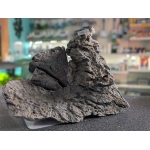
Grey Pillar, or Seiryu Rock as it is more commonly known in the aquascaping world, is a highly sought-after material for creating stunning underwater landscapes. Originating from Japan, its name translates to “Azure Dragon” rock, a nod to its rugged, dramatic appearance. Characterised by its sharp edges, deep crevices, and a striking greyish-blue colour with white veins, Seiryu Rock is a fantastic choice for both novice and experienced aquascapers looking to add a sense of natural drama to their aquariums.
Key Features and Usage
Seiryu Rock is popular for its ability to mimic a natural, mountainous landscape. The sharp lines and varied textures make it ideal for creating intricate layouts and focal points. When used effectively, it can give the illusion of a grand, scaled-down mountain range, with the crevices providing excellent anchor points for epiphytic plants like Anubias and Bucephalandra. It is often combined with fine sand or gravel to create a realistic riverbed or mountain base.
Important Considerations
While Seiryu Rock is visually appealing, there are a few important points to be aware of before you add it to your tank:
- pH Impact: Seiryu Rock is a carbonate-based rock, which means it will gradually leach minerals and increase the pH and General Hardness (GH) of your water. This can be beneficial for fish that prefer harder, more alkaline water, such as cichlids and some livebearers. However, it can be problematic for species that require soft, acidic conditions, like most South American fish.
- Cleaning: Before adding the rock to your aquarium, it’s essential to clean it thoroughly. A stiff brush and water are usually sufficient to remove any loose dirt or debris. Do not use any soaps or detergents, as these are toxic to fish.
- Weight: Seiryu Rock is very dense and heavy. Be sure that your aquarium stand and the tank’s base are able to support the weight. When placing it in the tank, take care not to scratch the glass bottom. It’s a good practice to place a thin layer of substrate or a foam mat under the rocks to protect the tank.
Brand
Hugo Kamishi
General Enquiries
There are no enquiries yet.