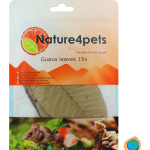

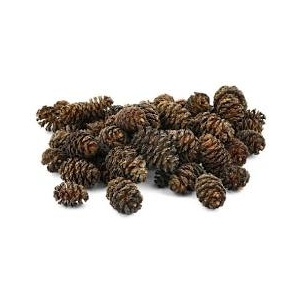
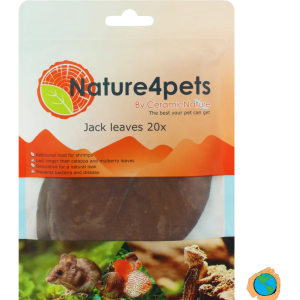
- Description
- Brand
- Store Policies
- Enquiries
Description
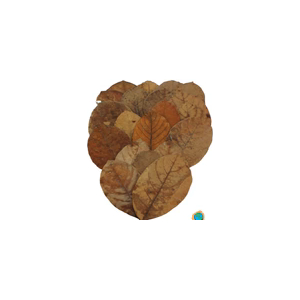
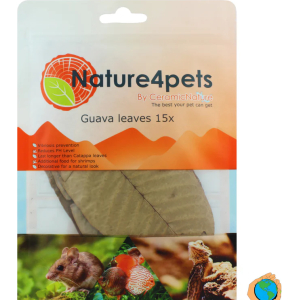
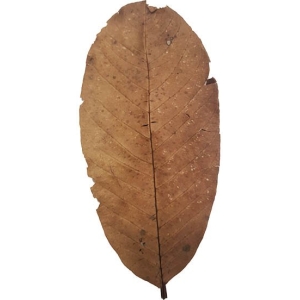
Natural Guava Leaves (Psidium guajava)
Product Specification:
Guava leaves are a highly beneficial botanical supplement, primarily used by freshwater shrimp enthusiasts and keepers of specialised tropical fish. Unlike many other botanicals that are used solely for tannin production, Guava leaves are prized for their specific antibacterial properties and their role as a long-term, natural food source.
Key Features and Benefits
-
Antibacterial and Antiparasitic: Guava leaves contain natural polyphenols and flavonoids. These compounds are known to help prevent the growth of harmful bacteria, such as Vibrio, and can assist in protecting shrimp and fish from opportunistic infections.
-
Lower Tannin Impact: Compared to Indian Almond (Catappa) leaves, Guava leaves release fewer tannins. This makes them an ideal choice for aquarists who want the medicinal benefits of botanicals without significantly tinting their water amber.
-
Essential Biofilm Substrate: The fibrous texture of the leaf provides an excellent surface for the cultivation of biofilm. This microscopic layer of bacteria and algae is the primary diet for larval shrimp and grazing fish.
-
Digestive Aid: When consumed, the organic matter of the Guava leaf acts as a source of roughage, aiding the digestive health of crustaceans and various species of Loricariid catfish.
-
Durability: Guava leaves are tougher than many other aquatic leaves, meaning they decompose slowly and maintain their shape for several weeks, providing long-lasting cover and forage.
Ideal For
Guava leaves are particularly effective in the following environments:
-
Ornamental Shrimp: Caridina and Neocaridina (e.g., Bee Shrimp, Cherry Shrimp).
-
Plecostomus and Otocinclus: Grazing species that benefit from supplementary cellulose.
-
Fry Grow-out Tanks: Provides safety and a constant supply of microscopic food for developing fish.
-
Soft-water Communities: Fish from the Amazon Basin or Southeast Asia.
Preparation and Usage
Note: Guava leaves are very buoyant when dry. Preparation is required to ensure they stay at the bottom of the aquarium.
-
Rinsing: Rinse the leaves under cold water to remove any surface dust.
-
Boiling: Boil the leaves for 10–15 minutes. This process sterilises the leaf, breaks down the cellular structure to make it immediately “edible” for shrimp, and helps the leaf sink.
-
Dosage: Add 1–2 leaves per 30 litres of aquarium water.
-
Replacement: The leaves can remain in the tank until only the “skeleton” (the veins) remains. At this point, they can be removed or simply left to fully biodegrade.
Technical Data
| Property | Description |
| Material | 100% Dried Guava Leaves (Psidium guajava) |
| Durability | Moderate to High (Lasts 3–5 weeks) |
| Tannin Release | Low to Moderate |
| Water Tinting | Minimal (Light Yellow/Clear) |
| pH Effect | Very Mild Acidification |
Storage and Safety
-
Environmental Integrity: Our Guava leaves are harvested away from urban pollution and are guaranteed to be free from chemical pesticides or fertilisers.
-
Storage: Keep in a cool, dry place. Ensure the leaves are completely dry before sealing them in a container to prevent mould.
-
Water Chemistry: While Guava leaves have a minimal impact on pH compared to other botanicals, it is always best practice to monitor water parameters when introducing any new organic material.
The Botanical Advantage
Incorporating Guava leaves into your aquarium is an effective way to bridge the gap between artificial environments and natural ecosystems. By providing a natural “medicine cabinet” and a sustainable food source, you create a more resilient and biologically diverse habitat for your aquatic inhabitants.
Brand
Ceramic Nature
General Enquiries
There are no enquiries yet.