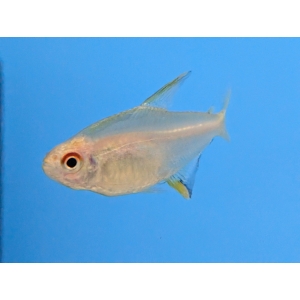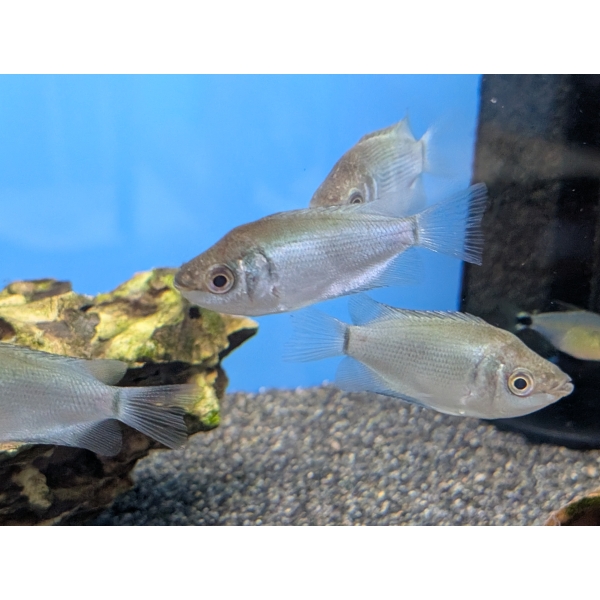
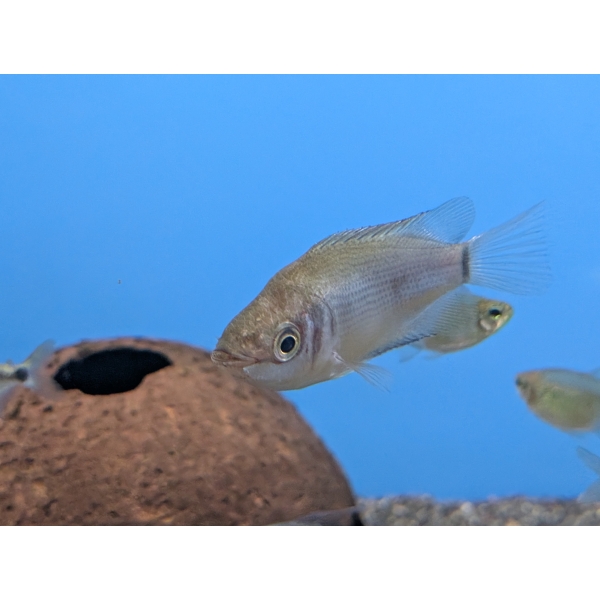


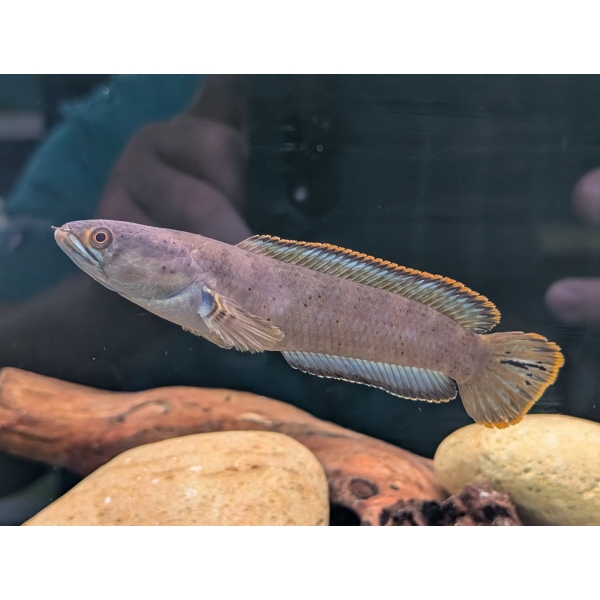

Kissing Gourami Helostoma temmickii Wild Form (Green)
£10.00
Bulk Offer – 3 for £27.00
Discount will apply at checkout.
- Description
- Store Policies
- Enquiries
Description
Wild Kissing Gourami:
A Comprehensive Care Guide
The Wild Kissing Gourami () is a unique and captivating freshwater fish native to Southeast Asia. Known for its distinctive mouth and the “kissing” behavior that gives it its common name, this species is a fascinating addition to larger aquariums. Unlike the more commonly seen pink or marbled varieties, the wild form typically exhibits a greenish or silvery colouration.
Scientific Classification
- Scientific Name:
- Family: Helostomatidae
- Origin: Southeast Asia (Thailand, Vietnam, Sumatra, Borneo, Java, Cambodia, Malay Peninsula, and possibly eastern Myanmar).
Appearance and Size
Wild Kissing Gourami can grow quite large, reaching up to 12 inches (30 cm) in length in the wild, though they often remain around 6-8 inches (15-20 cm) in captivity with proper care. They have a deep, somewhat compressed body with long dorsal and anal fins. Their most distinctive feature is their protrusible mouth with thick, fleshy lips equipped with fine, horny teeth, which they use for grazing. The wild form is typically a greenish or silvery-green colour.
Temperament and Social Behavior
Kissing Gourami are generally considered moderately aggressive, especially as they mature. While juveniles may be more peaceful, adults can be territorial and may bully or chase smaller or more docile tankmates. They are known for their “kissing” behavior, where two individuals lock mouths and push against each other. This is believed to be a form of territorial display or dominance ritual rather than affection. Males may engage in these “kissing combats” to establish hierarchy. It is often recommended to keep them individually or in a very large tank with a group to disperse aggression.
Tank Requirements
- Tank Size: Due to their potential large size and territorial nature, a minimum tank size of 200-280 litres is recommended for a single adult. Larger tanks 300+ litres are necessary if you plan to keep a group or house them with other large fish.
- Substrate: Any type of substrate can be used, but a fine sand or soft gravel is often preferred. They may engage in some digging behavior.
- Decorations: Mimic their natural habitat of slow-moving, heavily vegetated waters. Provide sturdy live plants (such as Java Fern or Anubias, as tender plants may be grazed) or artificial plants, driftwood, and rocks to create hiding spots and break up lines of sight. Ensure there are open swimming spaces as well.
- Lighting: Moderate lighting is suitable.
- Filtration: A robust filtration system is essential to maintain excellent water quality, especially given their size and feeding habits. A gentle to moderate water flow is preferred.
- Lid: A secure lid is necessary as they can jump.
- Air Access: As labyrinth fish, Kissing Gourami possess a special organ that allows them to breathe atmospheric oxygen. Ensure there is always access to the water surface for them to gulp air.
Water Parameters
Wild Kissing Gourami are relatively hardy and can tolerate a range of water conditions, but stable parameters are key to their long-term health.
- Temperature: to ( to ).
- pH: They are adaptable and can thrive in a pH range of 6.4 to 7.0, though some sources suggest a preference for slightly acidic to neutral.
- Hardness (GH): Moderate to hard water is preferred, with a general hardness (GH) between 5-20 dGH.
- Water Quality: Ammonia and nitrite levels must be zero. Nitrate levels should be kept low through regular water changes. Perform weekly partial water changes of 10-25%.
Diet and Feeding
Kissing Gourami are omnivorous with a strong herbivorous tendency. Their unique mouth is adapted for grazing on algae and plant matter.
- Staple Diet: A high-quality flake or pellet food with a significant vegetable or spirulina content should form the staple of their diet.
- Vegetable Matter: Regularly offer blanched vegetables such as spinach, zucchini, or romaine lettuce.
- Supplements: Supplement their diet with live or frozen foods like brine shrimp, daphnia, and bloodworms.
- Feeding Frequency: Feed small amounts once or twice a day, ensuring they consume all food within a few minutes to avoid fouling the water. They will also graze on algae in the tank.
Tankmates
Choosing appropriate tankmates is crucial due to their potential for aggression and large size.
- Compatible Tankmates: Best kept with other medium to large, peaceful to semi-aggressive fish that are not easily intimidated. Examples include larger tetras, peaceful barbs, some cichlids (depending on species), and other gourami of similar size (though caution is advised).
- Avoid: Small fish that could be seen as food, aggressive or fin-nipping species (like Tiger Barbs or Bettas), and very docile or slow-moving fish that could be bullied.
Breeding
Breeding Wild Kissing Gourami in a home aquarium is possible but can be challenging due to their size and the need for specific conditions. They are open-water egg scatterers and do not build bubble nests or provide parental care.
- Breeding Setup: A very large breeding tank 300+ litres with soft, warm water ( or ) is recommended. Provide floating plants or large lettuce leaves for egg attachment.
- Spawning: Spawning involves a circling ritual, nudging, and tail beating, with the male wrapping around the female to release eggs. The female can lay hundreds to thousands of eggs.
- Fry Care: Eggs hatch within 24 hours, and fry become free-swimming in about two days. The parents should be removed after spawning as they may eat the eggs or fry. Newly hatched fry can feed on infusoria that grows on floating plants, followed by very fine flake foods or newly hatched brine shrimp as they grow.
Special Considerations
- Lifespan: With proper care, Wild Kissing Gourami can live for 5-7 years, with some reports of them living much longer, even up to 20-25 years.
- Algae Control: Their grazing habits can make them useful for controlling algae growth in the aquarium.
- Observation: Regular observation is key to monitoring their health, behavior, and interactions with tankmates.
By understanding and meeting the specific needs of the Wild Kissing Gourami, you can enjoy this unique and engaging fish in your aquarium.
Convenient nationwide delivery; you’re only a click away!
General Enquiries
There are no enquiries yet.