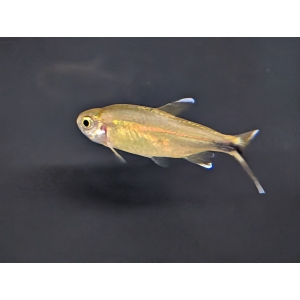

Lemon Tetra
£4.00
Bulk Offer – 6 for £22.00
Discount will apply at checkout.
- Description
- Store Policies
- Enquiries
Description
Lemon Tetra (Hyphessobrycon pulchripinnis):
Species Profile:
Lemon Tetra (Hyphessobrycon pulchripinnis) is a highly popular, vibrant, and incredibly resilient freshwater fish belonging to the family Characidae. Originally discovered in the Amazon River basin—specifically within the clear, slow-moving waters of the Rio Tapajós and its tributaries in Brazil—this delightful little characin has been a mainstay of the British fishkeeping hobby for generations.
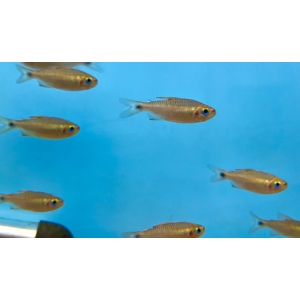
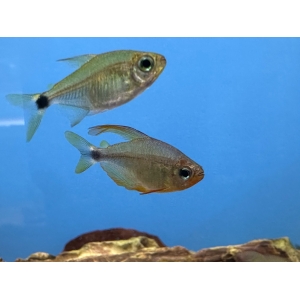
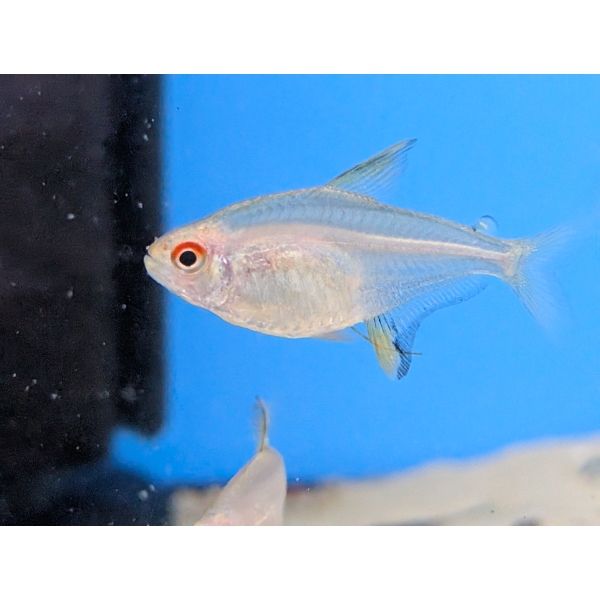
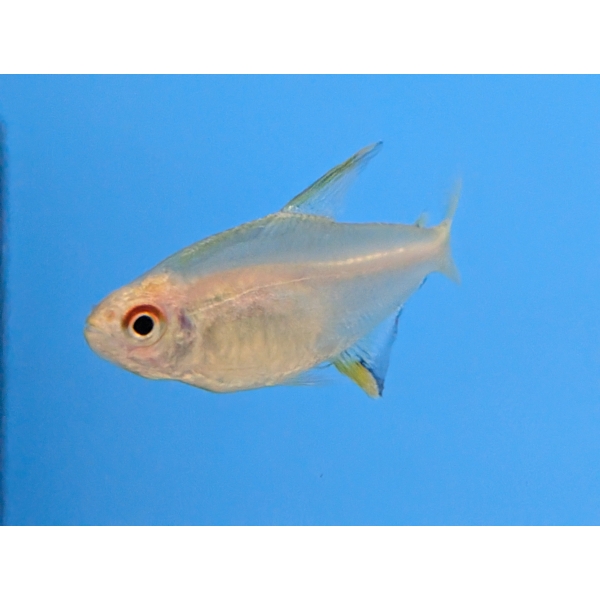
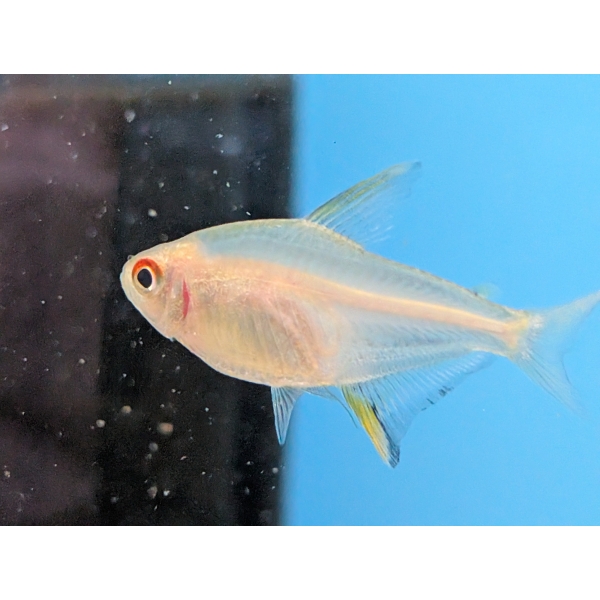
While often overlooked in plain shop tanks due to stress-induced paleness, a fully settled, well-nourished shoal of Lemon Tetras is an absolute masterclass in understated elegance. They present a beautiful combination of translucent amber-yellow tones and striking eye colouration, making them a perfect addition to a mature community aquarium.
Morphology and Aesthetic Appeal
The true beauty of the Lemon Tetra is revealed only when it feels entirely safe and settled within its environment.
-
Anatomy and Silhouette: Sporting a classic diamond-shaped, laterally compressed body typical of the Hyphessobrycon genus, these fish maintain a neat and compact profile. Adult specimens generally reach a mature length of 3.5 to 5 centimetres (1.4 to 2 inches).
-
The Colour Palette: Their bodies possess a beautiful, translucent lemon-yellow to amber sheen that shimmers under full-spectrum aquarium lighting. The dorsal and anal fins are uniquely adorned with a bright, contrasting sulphur-yellow trim, boldly underlined by a deep black edge.
-
The Crimson Iris: The definitive diagnostic feature of a healthy Hyphessobrycon pulchripinnis is its intense, ruby-red upper iris. This vivid splash of colour provides an exceptional, high-contrast focal point against the fish’s bright yellow body.
-
Sexual Dimorphism: Distinguishing between the sexes is relatively straightforward once the fish reach adulthood. Males are typically more slender but exhibit far more intense colouration, particularly along the black margin of the anal fin, which forms a solid, prominent line. Females are noticeably rounder, deeper-bodied, and carry a narrower, more diffused black fin border.
Aquarium Requirements and Water Parameters
The Lemon Tetra is an exceptionally hardy species, making it highly recommended for both novice keepers and experienced aquascapers. They adapt remarkably well to standard British domestic tap water profiles, provided sudden fluctuations are avoided.
Optimal Hydrochemical Targets
| Parameter | Target Range |
| Water Temperature | 22°C to 28°C (71.6°F to 82.4°F) — 24°C is considered the sweet spot |
| pH Range | 6.0 to 7.4 (Prefers slightly acidic to neutral water) |
| General Hardness (dGH) | 3 to 15 dGH (Can tolerate moderately hard water easily) |
| Carbonate Hardness (dKH) | 2 to 10 dKH |
| Minimum Tank Size | 60 Litres (approx. 15 Imperial Gallons) for a standard shoal |
Environmental Design: The “Blackwater” Advantage
To bring out the absolute best in your Lemon Tetras, their enclosure should closely mimic their natural wild habitat.
The Colour Enhancement Secret
If you house Lemon Tetras in a bare tank with bright white gravel and intense lighting, their colours will wash out entirely, leaving them a dull, transparent grey. To unlock their deep, rich golden-yellow hues, you must focus on visual security. Use a dark substrate (such as black sand or dark aqua-soil) and integrate plenty of driftwood roots to provide cover.
Aquascaping Recommendations:
-
Botanical Enrichment: Adding dried Indian Almond leaves (Catappa leaves) or alder cones to the aquarium mimics the natural Amazonian environment. As these leaf litters slowly decay, they release beneficial tannins into the water column. This tints the water a light tea-brown colour, naturally lowering the pH and making the fish’s yellow bodies pop.
-
Vegetative Canopies: Provide dense patches of aquatic foliage along the back and sides of the tank using hardy plants like the Ruffled Amazon Sword or Cryptocoryne wendtii. Leave a generous, open swimming corridor directly in the center of the tank.
-
Floating Cover: Utilizing floating plants (such as Frogbit or Salvinia) is highly recommended. These plants break up harsh light beams, casting a dappled shadow across the tank that dramatically reduces stress and encourages the shoal to swim confidently in open water.
Dietary Regime and Nutritional Protocols
In the wild, Lemon Tetras are opportunistic omnivores, feeding on tiny invertebrates, filamentous algae, and fallen insect larvae. In a home aquarium, they are wonderfully unpretentious feeders.
To maintain their vibrant yellow pigment and boost their immune systems, provide a varied, high-quality diet rather than relying solely on a single type of dry food:
-
The Nutritional Foundation: Use a premium, crushable flake or micro-pellet formula rich in natural colour enhancers (such as carotenoids and spirulina) as their daily staple.
-
Live and Frozen Supplements: Supplement their diet two to three times a week with frozen or live foods. Daphnia, brine shrimp (Artemia), and chopped bloodworms are absolute favourites that encourage natural hunting behaviours.
-
The Spawning Condition: If you are preparing a group for breeding, conditioning them with live daphnia and enriched brine shrimp is essential for maximizing egg production in females and stamina in males.
Social Behaviour and Tank Compatibility
⚠️ The Shoaling Mandate
The Lemon Tetra is an obligate, highly social shoaling species. Never keep fewer than 6 specimens together; a group of 10 to 12 is highly recommended. When kept isolated or in pairs, these fish experience chronic stress, which suppresses their immune systems and causes their colours to fade. A large shoal distributes minor hierarchy squabbles safely across the group and creates a mesmerizing, synchronized swimming display.
Ideal Tank Mates:
Lemon Tetras are exceptionally peaceful and lack the fin-nipping tendencies seen in some of their closer relatives (such as Serpae or Buenos Aires Tetras). They make premier candidates for a tranquil community tank.
-
Compatible Species: They pair beautifully with other peaceful South American species, including Neon, Cardinal, or Rummynose Tetras, Hatchetfish, and Dwarf Cichlids like Apistogramma.
-
Substrate Companions: Peaceful bottom-dwellers such as Corydoras catfish and Otocinclus dwarf suckers are perfect companions that will not compete with the tetras for swimming space.
-
Invertebrate Safety: Because of their small, non-predatory mouths, they are entirely safe to house alongside adult dwarf shrimp (such as Cherry or Amano shrimp), though tiny newborn shrimplets may be eyed as a snack if not provided with dense mossy cover.
-
Avoid: Large, predatory, or overly aggressive tank mates (such as Oscar cichlids or large catfish) that could easily fit these peaceful tetras into their mouths.
Breeding and Propagation Protocols
Like the vast majority of characins, the Lemon Tetra is a prolific egg-scatterer that exhibits zero parental care. While casual spawning will frequently happen unnoticed in a densely planted community tank, raising a significant number of fry requires a dedicated breeding setup.
The Breeding Method
1.Set up a dedicated breeding tank: 10-20 Litres.
Caring for the Fry:
The fertilised eggs are highly sensitive to light and fungal attacks. Keep the breeding tank dimmed or covered during the initial incubation phase.
The eggs will typically hatch within 24 to 28 hours, after which the larvae will spend the next 3 to 4 days absorbing their yolk sacs while remaining attached to the glass or moss. Once they become fully free-swimming, feed them microscopic live foods such as Infusoria or liquid fry formulations. After a week, they can graduate to eating freshly hatched brine shrimp nauplii (Artemia) and micro-worms, resulting in rapid growth.
Convenient nationwide delivery; you’re only a click away!
Our nationwide delivery service makes it easy to receive your fish directly at your door, anywhere in the UK, for a flat rate of just £30. This convenient service allows you to order up to 10kg of fish, with the assurance that they will arrive in excellent condition. To make the fishes journey as comfortable as possible we use Oxygen in the fish bags and heat packs in all the boxes of fish we send out.
Our delivery days are as follows:
Please put your desired delivery day in the Order Notes on the Checkout page.
General Enquiries
There are no enquiries yet.