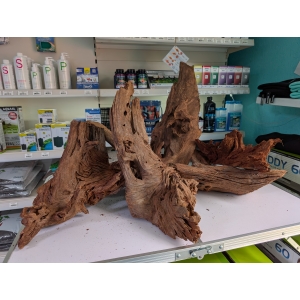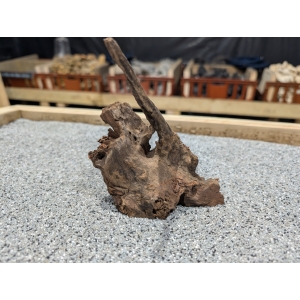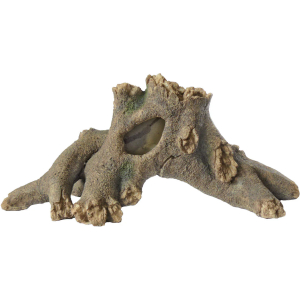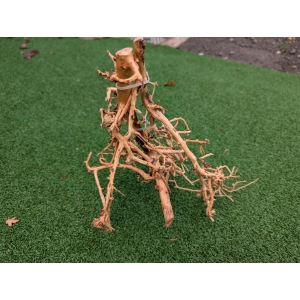

- Description
- Brand
- Store Policies
- Enquiries
Description
Using Mangrove Root in the Freshwater Aquarium
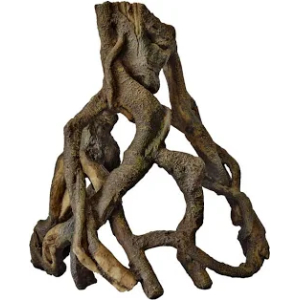
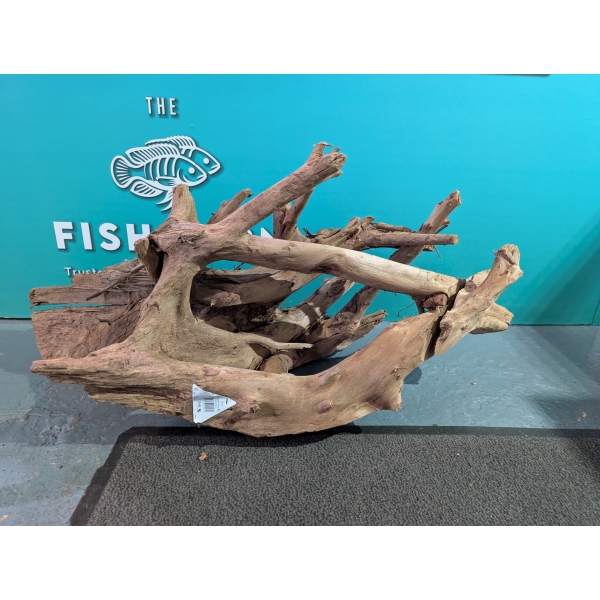
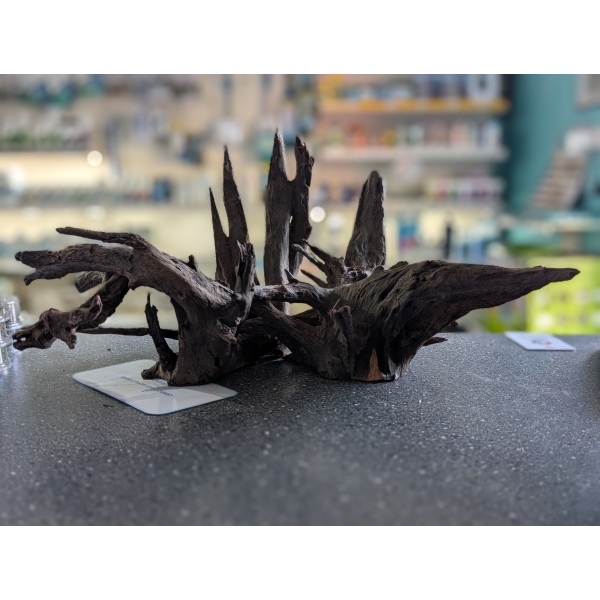
Mangrove root is one of the most popular types of driftwood used in the aquarium hobby. Known for its rich, reddish-brown colour, complex branching structure, and impressive density, it is an excellent choice for creating naturalistic aquascapes. However, like all natural wood, it requires specific preparation before it is safe and ready for your tank.
Why Choose Mangrove Root?
- Aesthetics: It creates an instant natural look, mimicking the submerged root systems found in riverbanks and tropical streams.
- Hiding Spots: The complex twists and branches provide essential shelter for shy fish, catfish, and fry.
- Durability: It is a hardwood that resists rotting for years underwater.
- Water Chemistry: It releases tannins, which can naturally lower the pH and soften the water, creating ideal conditions for “blackwater” species like Tetras, Angelfish, Discus, and Rasboras.
1. Selection and Cleaning
Before doing anything else, inspect the piece of wood you have purchased.
- Texture: Ensure there are no soft or rotting spots. The wood should feel hard and heavy.
- Scrubbing: Use a clean, stiff-bristled brush (one that has never been used with cleaning chemicals) to scrub the surface vigorously under running tap water. This removes dust, loose bark, and dirt debris. Do not use soap or bleach.
2. Preparation: The Vital Steps
Mangrove root is rich in tannins (tannic acid). If placed directly into the aquarium, it will turn your water a dark brown “tea” colour very quickly. While this is harmless, many aquarists prefer clearer water.
Soaking (The Patience Method)
- Place the root in a large bucket or plastic tub.
- Fill it with water until the wood is fully submerged. Even though Mangrove is heavy, some pieces may float initially; use a rock to weigh it down if necessary.
- Change the water every 24 to 48 hours.
- Duration: This process can take anywhere from two weeks to a month depending on the size of the root and how many tannins you wish to leach out. Stop when the water remains relatively clear after 24 hours.
Boiling (The Fast Method)
If the piece of wood is small enough to fit in a large stockpot:
- Submerge the wood in water and bring it to a boil.
- Boil for 30 to 60 minutes.
- This process sterilises the wood (killing potential fungal spores or bacteria), opens the wood’s pores to release tannins faster, and helps waterlog the wood so it sinks immediately.
- Let it cool completely before adding it to the tank.
3. Placing in the Aquarium
Once prepared, you can add the root to your tank.
- Positioning: Mangrove roots look best when used as a focal point. Try placing it slightly off-centre (following the rule of thirds) and angling the branches towards the surface or the front of the tank to create depth.
- Anchoring: Although Mangrove is dense, it may still have some buoyancy. You can glue the base to a heavy rock using aquarium-safe superglue (cyanoacrylate) or weigh it down with stones for the first few weeks until it becomes fully waterlogged.
- Planting: The rough texture of Mangrove root makes it an excellent anchor for epiphytic plants. You can attach Anubias, Java Fern, or Mosses directly to the wood using cotton thread or fishing line.
4. Common Issues and Maintenance
The “White Slime” (Biofilm)
A few days after adding the root, you may notice a white, cotton-like fungus or slime coating the wood.
- Don’t Panic: This is completely normal bacterial biofilm consuming the sugars in the fresh wood.
- Treatment: It is harmless to fish. In fact, shrimp, snails, and Plecos (sucker-mouth catfish) love to eat it. It will typically disappear on its own within a few weeks. If it is unsightly, you can siphon it off during a water change.
Tea-Coloured Water
Even after soaking, the wood may continue to leach tannins slowly.
- Management: Regular weekly water changes will keep the tint under control. If you want crystal clear water, add activated carbon or a synthetic polymer resin (like Seachem Purigen) to your filter, which will absorb the tannins.
Brand
AquaOne
General Enquiries
There are no enquiries yet.