

Mokele-Mbembe Birchir Polypterus mokelembembe
£85.00
Mokele-Mbembe Birchir Polypterus mokelembembe
- Description
- Store Policies
- Enquiries
Description
Mokele-mbembe Bichir (Polypterus mokelembembe):
Care Guide:
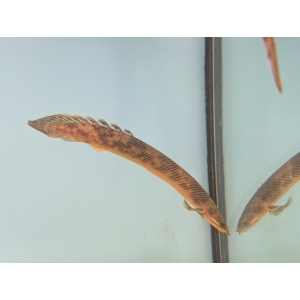
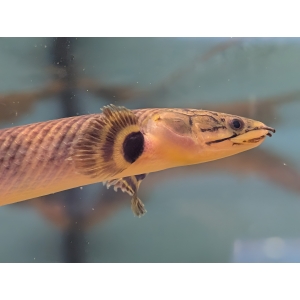
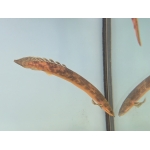
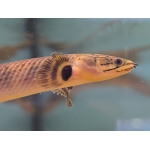
The Mokele-mbembe Bichir (Polypterus mokelembembe) is a fascinating, primitive freshwater fish belonging to the ancient family Polypteridae. Described scientifically in 2006, this highly sought-after species is endemic to the central Congo River basin in Africa. It is named after the legendary Congolese cryptid dinosaur, a nod to its prehistoric, dragon-like appearance. It is a member of the “upper jaw” bichir group, characterised by an elongated, slender body and distinct dark, blotched mottling over a yellowish-brown base.
Overview.
-
- Scientific Name: Polypterus mokelembembe
- Common Name: Mokele-mbembe Bichir, Mokele Bichir
- Care Level: Medium
- Temperament: Semi-aggressive (predatory towards smaller tank mates)
- Maximum Size: 25–30 cm (10–12 inches)—one of the smaller, manageable bichir species
- Lifespan: 10–15+ years
Key Requirements.
Water Parameters and Environment
-
- Temperature: 25°C to 28°C is optimal.
- pH Range: 6.0–7.5 (prefers neutral to slightly acidic water).
- Water Hardness: Soft to moderately hard (4–12 dGH).
- Aquarium Size: Minimum 200 litres for a single adult specimen; the footprint (length and width) of the tank is far more critical than the depth.
Tank Setup and Decor.
-
- Escape Prevention: A tightly fitting lid is mandatory. Bichirs are notorious escape artists capable of squeezing through tiny gaps or jumping out of the tank entirely.
- Atmospheric Access: They possess modified swim bladders that function like primitive lungs. They must have regular, unobstructed access to the water surface to gulp atmospheric air.
- Substrate: Use smooth, fine sand or rounded gravel. Avoid sharp substrate materials that could scratch their bellies as they crawl along the bottom.
- Hardscape: Provide ample hiding places using large PVC pipes, smooth rock caves, and extensive driftwood roots to mimic their natural riverine shelter.
- Vegetation: They are completely safe with live plants. Robust species such as Java Fern or Anubias are ideal, as they can withstand the physical weight of a heavy fish resting on them.
Diet and Feeding.
-
- Polypterus mokelembembe is a strict carnivore and a nocturnal ambush predator.
- Live and Frozen Foods: Feed a varied diet of earthworms, bloodworms, Mysis shrimp, chopped white fish fillets, and krill.
- Prepared Foods: Once settled, they can be trained to accept high-quality sinking carnivore pellets, which should be offered just before the aquarium lights turn off. [1]
Behaviour and Compatibility.
-
- Bottom Dweller: They spend the majority of their time resting or pacing along the bottom of the aquarium, using their pectoral fins like legs to crawl.
- Predatory Nature: They are peaceful towards fish that are too large to be swallowed. However, any tank mate small enough to fit inside their mouths will be hunted and eaten at night.
- Compatible Tank Mates: Suitable choices include medium-to-large cichlids (such as Severums), large tetras (like Congo Tetras), Synodontis catfish, and Loricariid plecs. They can be kept with other similar-sized bichirs provided there are enough hiding spots to prevent territorial squabbles.
Breeding.
- Breeding in the home aquarium is exceptionally rare and poorly documented for this specific species.
- In nature, spawning is triggered by the onset of the rainy season, involving changes in water chemistry and temperature.
- The male uses his modified, cup-like anal fin to catch the eggs deposited by the female before scattering them into dense vegetation or leaf litter. They display no parental care post-spawning.
Convenient nationwide delivery; you’re only a click away!
Our nationwide delivery service makes it easy to receive your fish directly at your door, anywhere in the UK, for a flat rate of just £30. This convenient service allows you to order up to 10kg of fish, with the assurance that they will arrive in excellent condition.
To make the fishes journey as comfortable as possible we use Oxygen in the fish bags and heat packs in all the boxes of fish we send out.
For your peace of mind we enclose a slip which will explain what to do in the event of a fish not traveling too well.
We use a licensed courier to deliver your fish directly to you door and will be with you by 1pm the next day.
Our delivery days are as follows:
Tuesday for Wednesday delivery
Wednesday for Thursday delivery
Thursday for Friday delivery
Please put your desired delivery day in the Order Notes on the Checkout page.
General Enquiries
There are no enquiries yet.