


Star Sapphire Cichlid
£16.00
Star Sapphire Cichlid
Bulk Offer – 3 for £45.00
Discount will apply at checkout.
- Description
- Store Policies
- Enquiries
Description
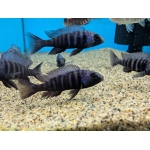
Placidochromis Phenochilus “Lupingu”
Care Guide
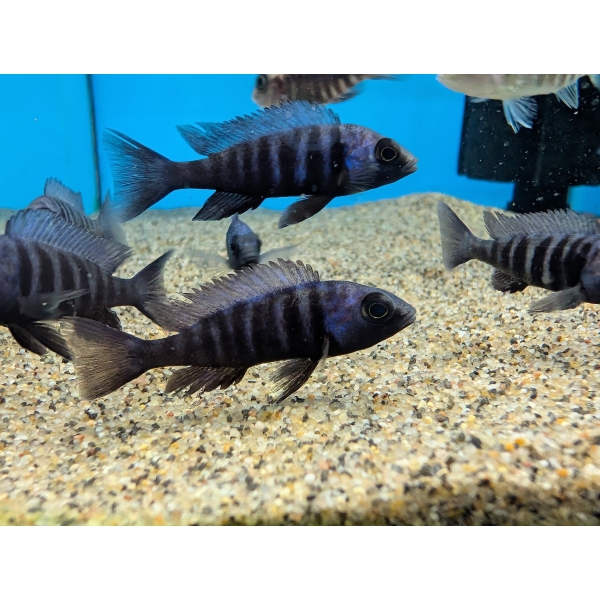
Placidochromis phenochilus is a magnificent species of Haplochromine cichlid from Lake Malawi. The “Lupingu” locale is associated with fish collected near the Tanzanian coastline and is famous for showcasing the most intense, desirable “Star Sapphire” spotting. These are large, impressive fish that develop their best colouration only as they mature, making them a true centrepiece in a cichlid aquarium.
Key Characteristics and Origin
- Scientific Name: Placidochromis phenochilus
- Origin: Endemic to Lake Malawi, East Africa. The Lupingu variant originates from the deep, sediment-rich, and rocky areas near Lupingu, Tanzania.
- Maximum Size: Males commonly reach ( inches), and sometimes larger. Females remain slightly smaller.
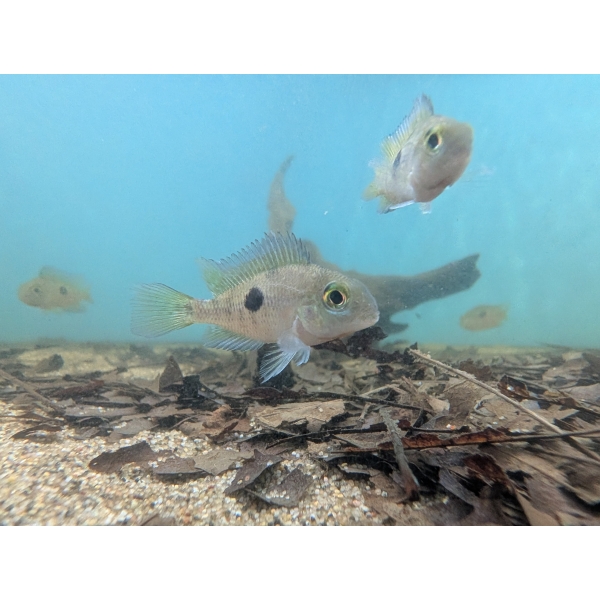
- Appearance: Juveniles are a non-descript silvery-grey. As males mature (which can take a year or more), their faces, gills, and fins develop a deep blue, while the body becomes densely covered in iridescent white or metallic blue spots—the “stars” of the Star Sapphire Cichlid.
- Temperament: They are generally peaceful for a large cichlid, belonging to the group known as Haps. They are assertive but not overtly aggressive like Mbuna, and they primarily occupy the middle and upper water columns.
Aquarium Environment and Setup
As a large, fast-swimming species that patrols open areas of the lake, P. phenochilus requires a significant amount of horizontal swimming space.
Tank Size and Filtration
- Minimum Tank Size: Given their adult size and active nature, a minimum tank of litres ( UK gallons) is strongly recommended for a group or community setup. Longer tanks (e.g., or ) are vastly superior to tall, short tanks.
- Filtration: They are messy eaters and produce significant waste. Robust filtration is essential. Use a powerful external canister filter supplemented with a large internal filter or a high-quality sump system.
- Aeration: Excellent surface agitation and high dissolved oxygen levels are mandatory to mimic their natural habitat.
- Maintenance: Strict weekly water changes of are necessary to keep nitrates low and the water parameters stable.
Aquascape and Decor
- Substrate: Fine sand is preferred, as they are part of the Placidochromis genus, known for sifting through the substrate in the wild.
- Decor: While they prefer open water, they still need hiding spots. Create several large rock piles using inert materials like ocean rock or basalt, placing them towards the back and sides of the tank to leave a generous swimming channel in the front. Ensure the rockwork is stable and built directly on the tank bottom to prevent collapses.
- Lighting: Standard aquarium lighting is fine, but stronger, bluish-spectrum lighting will significantly enhance the metallic spots of the males.
Water Parameters
Malawi Cichlids thrive in hard, alkaline, and stable water conditions.
| Parameter | Recommended Range |
|---|---|
| Temperature | () |
| pH | (Highly Alkaline) |
| Hardness (GH/KH) | Hard to Very Hard () |
Diet and Feeding
In the wild, P. phenochilus is a piscivore/insectivore, preying on small invertebrates and smaller fish (including juvenile cichlids) in the open water.
- Staple Diet: A high-quality, sinking cichlid pellet formulated for Haplochromines (Haps). Look for pellets with a moderate protein programme.
- Frozen/Live Foods: Supplement regularly with protein-rich frozen foods such as Mysis shrimp, krill.
- Feeding Frequency: Feed small amounts once or twice daily.
Compatibility and Behaviour
- Social Structure: Males are territorial during spawning but can typically be kept in a group (a dominant male with multiple females) or with other non-aggressive Haps and Peacocks (Aulonocara). Avoid keeping two males together in tanks smaller than .
- Tank Mates:
- Suitable: Other large, non-aggressive species like various Peacock Cichlids (Aulonocara species), other Haplochromines (Copadichromis, Sciaenochromis), and Synodontis catfish.
- Avoid: Aggressive and highly territorial Mbuna (Maylandia, Tropheops), as their aggressive nature and different dietary needs create conflict. Also avoid small, timid fish they could easily consume.
- Breeding: They are maternal mouth-brooders. The male attracts the female to a cleared spot (often a depression in the sand near a rock) where she lays eggs, immediately takes them into her mouth, and the male fertilizes them while she holds them.
Convenient nationwide delivery; you’re only a click away!
Our nationwide delivery service makes it easy to receive your fish directly at your door, anywhere in the UK, for a flat rate of just £30. This convenient service allows you to order up to 10kg of fish, with the assurance that they will arrive in excellent condition. To make the fishes journey as comfortable as possible we use Oxygen in the fish bags and heat packs in all the boxes of fish we send out.
General Enquiries
There are no enquiries yet.