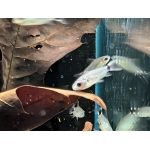


Tail Spot Catfish Dwarf Cory
£8.00
Bulk Offer – 6 for £45.00
Discount will apply at checkout.
- Description
- Store Policies
- Enquiries
Description
Gastrodermus hastatus (Dwarf Corydoras)
A Complete Guide:
The Dwarf Corydoras, now scientifically known as Gastrodermus hastatus, is a small and peaceful armoured catfish from South America. They are found in the Amazon and Paraguay River basins in countries like Brazil and Argentina. Unlike many of their bottom-dwelling cousins, this species is well-known for spending a significant amount of its time schooling in the mid-water column, often mimicking the behaviour of small tetras. Their name comes from the distinctive spearhead-like spot at the base of their tail. They are a fantastic choice for a well-planted nano or community aquarium.
Key Characteristics
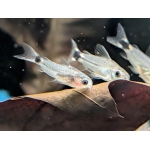
- Appearance: This is a tiny, sleek catfish with a translucent, olive-coloured body and a prominent black spot at the root of its tail. This “tail spot” is its most defining feature and is often surrounded by a white crescent.
- Size: They are one of the smallest species of catfish, typically growing to a maximum size of just 3.5 cm (1.4 inches).
- Lifespan: With proper care, they can live for 3-5 years.
Care and Tank Requirements
- Tank Size: Due to their small size and active schooling nature, a tank of at least 45 litres (10 gallons) is recommended for a group of 8-10 individuals.
- Water Parameters: They thrive in a tropical climate with a temperature range of to ( to ). The water should be soft and slightly acidic, with a pH of 6.0-7.5. Good filtration and regular water changes are essential to keep the water pristine.
- Tank Setup: A sandy substrate is crucial to protect their delicate sensory barbels as they forage. The aquarium should be densely planted with plenty of shady hiding spots created by driftwood and broad-leaved plants. Floating plants can also help to diffuse bright lighting, which they prefer.
Diet
As omnivorous scavengers, they will forage throughout the tank. Their diet should be varied and consist of:
- High-quality sinking pellets, granules, and flakes.
- Small live foods, such as microworms and grindal worms.
- Frozen foods like daphnia or bloodworms.
- They will also happily graze on any leftover food and detritus on the substrate.
Behaviour and Compatibility
- Temperament: Dwarf Corydoras are extremely peaceful and social. They are a shoaling species and should always be kept in groups of at least 8-10 to feel secure and exhibit natural behaviour. They are active and fascinating to watch, often schooling together.
- Tank Mates: They are ideal for a community aquarium with other small, peaceful species. Good tank mates include small tetras, rasboras, and dwarf gouramis. Avoid keeping them with large or aggressive fish that may intimidate or prey on them.
Convenient nationwide delivery; you’re only a click away!
General Enquiries
There are no enquiries yet.