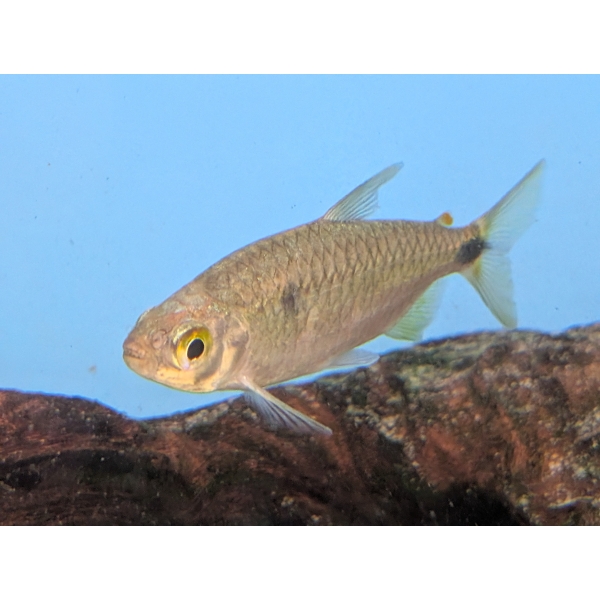
Fantastic Tetra Price is 5 for £85.00
£85.00
Fantastic Tetra
Price is 5 for £85.00
- Description
- Store Policies
- Enquiries
Description
Species Care Guide: Congo Tetra ‘Fantastique’
Phenacogrammus sp. fantastique (Fantail Tetra)
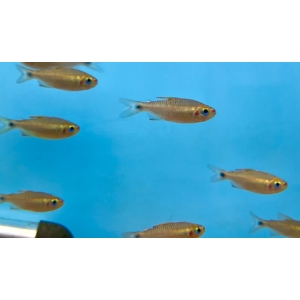
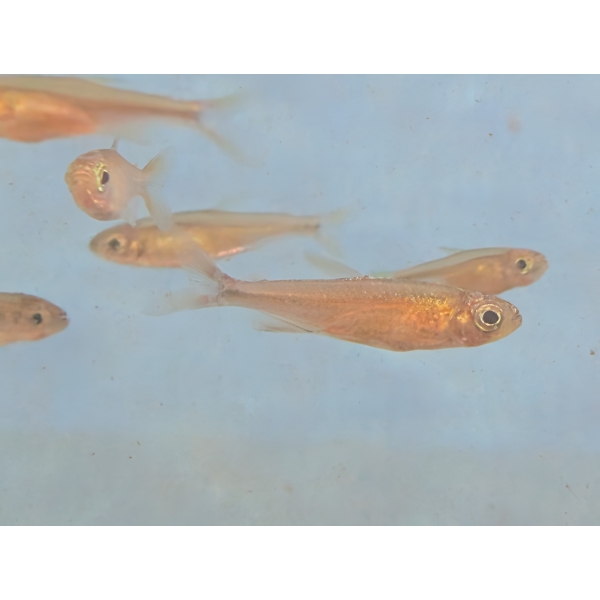
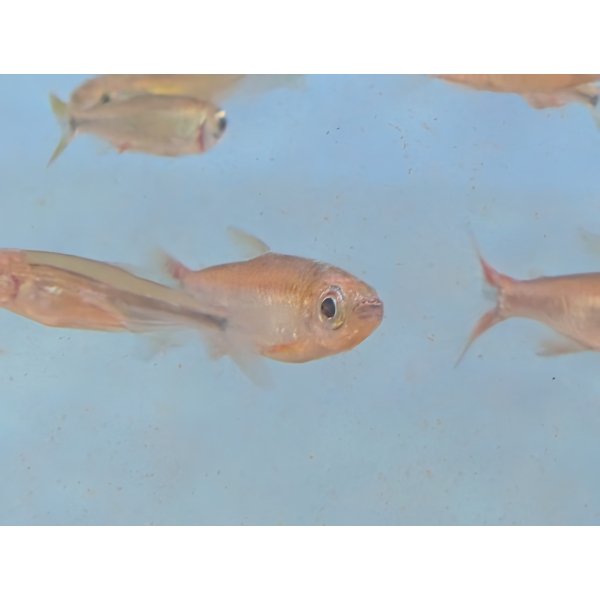
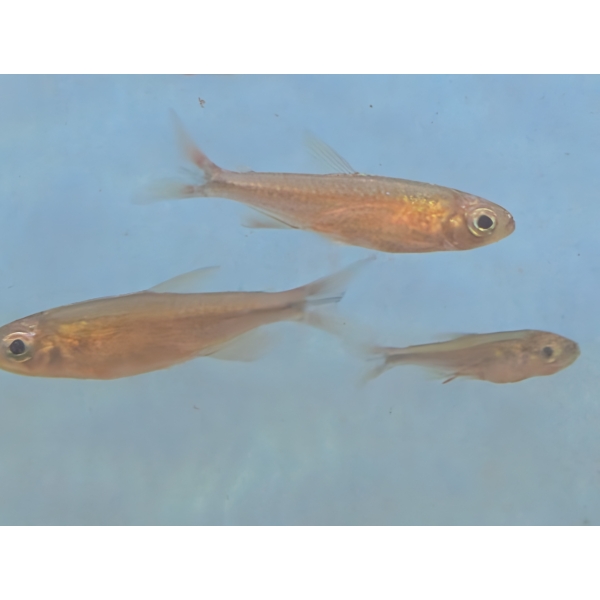
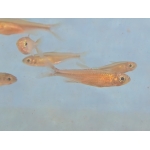
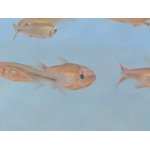
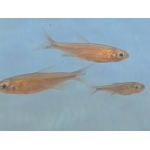
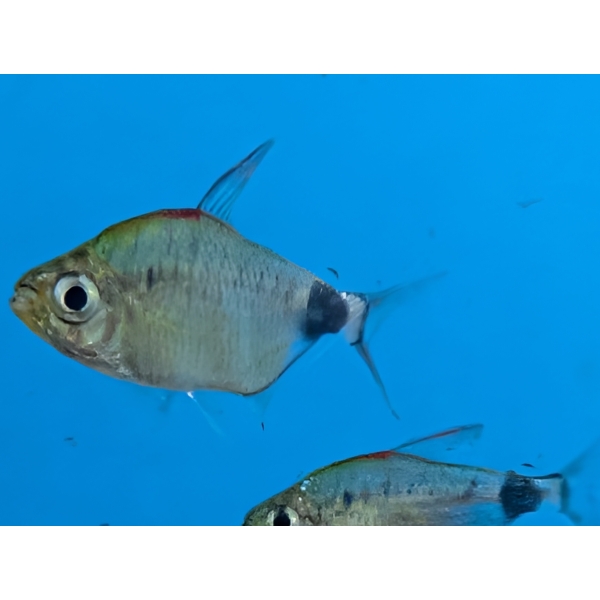
The Congo Tetra ‘Fantastique’ (Phenacogrammus sp. fantastique) is a highly sought-after, iridescent characin originating from the river systems of Central Africa, notably the Congo River basin. Renowned for the males’ elongated, flowing fins and shimmering, multi-hued scales that flash blue, gold, and red, they make a stunning addition to the large community aquarium. This guide outlines the essential requirements for their husbandry and care.
I. General Characteristics and Sizing
| Characteristic | Detail |
|---|---|
| Common Name | Fantail Tetra, Congo Tetra ‘Fantastique’ |
| Origin | Democratic Republic of the Congo (DRC) |
| Adult Size | Up to 8.5 cm (approx. 3.3 inches) |
| Temperament | Peaceful but highly active; excellent community fish |
| Lifespan | 3 – 5 years with optimal care |
| Shoal Size | Minimum of 6 individuals, preferably 10+ |
II. Aquarium Requirements (Husbandry)
As fast, mid-water swimmers, these tetras require ample space to thrive and display their natural behaviours.
| Requirement | Recommendation |
|---|---|
| Minimum Volume | 150 Litres (approx. 33 Imperial Gallons). A tank of at least 100 cm (3 feet) in length is crucial. |
| Filtration | Strong, effective mechanical and biological filtration is necessary, but the flow should be modest to allow the males’ delicate fins to trail naturally. |
| Lighting | Moderate to low. Overly bright lighting can cause stress and diminish the vibrancy of their colours. Use floating plants to diffuse intense light. |
| Substrate | Dark-coloured substrates (e.g., fine gravel or sand) are recommended as these mimic their natural dark, peaty habitats and help intensify the fish’s natural iridescence. |
| Decoration | A densely planted perimeter with an open swimming space in the centre is ideal. Use driftwood and root structures to provide sheltered areas. Tannins from natural botanicals (e.g., catappa leaves) are beneficial for conditioning the water. |
III. Water Quality and Parameters
These fish originate from slightly acidic, soft water regions and require stable conditions to prevent stress and fin deterioration.
| Parameter | Optimal Range | Notes |
|---|---|---|
| Temperature | 24°C – 27°C (75°F – 81°F) | Maintain stability; temperature swings are detrimental. |
| pH | 5.0– 6.0 | They tolerate neutral water but thrive best in very acidic conditions (5.0). |
| Hardness (dGH) | 5 – 15 dGH (Soft to Medium) | Very soft water is required for successful breeding. |
| Maintenance | Weekly water changes of 25–30% are mandatory to maintain low nitrate levels and ensure pristine water quality, particularly for fin health. |
IV. Diet and Nutrition
The Fantail Tetra is an opportunistic omnivore and will readily accept a varied diet. A good quality, diverse diet is essential for maintaining vibrant colouration and robust health.
- Dry Foods: Offer a high-quality staple flake or micro-pellet, ensuring the food is small enough for their mouths.
- Frozen Foods: Provide frozen bloodworms, brine shrimp, and daphnia 2–3 times per week.
- Live Foods: Live foods like brine shrimp nauplii or small worms are excellent for conditioning breeding pairs.
- Vegetable Matter: Ensure some vegetable content in their diet, either through spirulina-enriched flakes or blanched vegetables, such as courgette (zucchini).
V. Compatibility and Shoaling Behaviour
Fantail Tetras are a shoaling species and must never be kept alone. Their lively nature means they thrive in groups, where they display social hierarchy and reduce stress.
- Ideal Shoal Size: A minimum of six individuals, ideally ten or more. In smaller groups, they become timid and the males will not display their full colour potential.
- Tank Mates: Excellent companions include other peaceful, similarly sized tetras (e.g., Black Phantom Tetras), Rainbowfish, Corydoras, and medium-sized, placid cichlids (e.g., some dwarf species).
- Avoid: Fin-nippers (like Tiger Barbs) that may damage the males’ long fins, and very slow-moving or overly shy fish that might be out-competed for food.
This guide serves as a foundation for successful keeping. Observing your individual fish’s behaviour and adjusting the environment accordingly will ensure they display their spectacular natural colour and longevity.
Convenient nationwide delivery; you’re only a click away!
Our nationwide delivery service makes it easy to receive your fish directly at your door, anywhere in the UK, for a flat rate of just £30. This convenient service allows you to order up to 10kg of fish, with the assurance that they will arrive in excellent condition. To make the fishes journey as comfortable as possible we use Oxygen in the fish bags and heat packs in all the boxes of fish we send out.
Please put your desired delivery day in the Order Notes on the Checkout page.
General Enquiries
There are no enquiries yet.