



- Description
- Store Policies
- Enquiries
Description
A Guide to L181 Peppermint Bristlenose Pleco
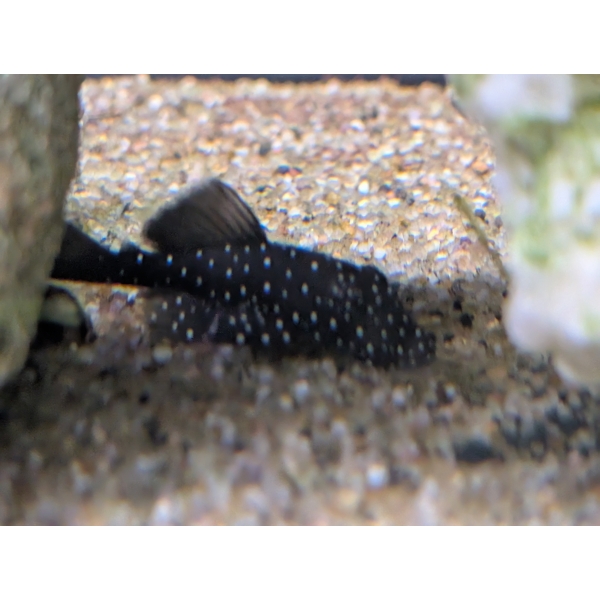
The L181 Peppermint Bristlenose Pleco (Ancistrus dolichopterus) is a highly sought-after species of pleco from the Loricariidae family of suckermouth catfish. Known for its striking black body adorned with bright white or cream spots, it is a smaller, more peaceful alternative to many of the larger pleco species. The ‘L’ number, in this case L181, is a code given to various plecos before their scientific name has been formally assigned. This fish is a valuable addition to an aquarium for its beauty and its industrious nature as an algae-grazer.
Appearance & Origin
The L181 Peppermint Bristlenose Pleco originates from the clear, fast-flowing waters of the Rio Negro and other parts of the Amazon basin in South America. It is a true dwarf pleco, reaching an adult size of approximately cm ( inches). Its body is a deep, velvety black, covered in a pattern of small, clean white or yellowish spots that give it its ‘peppermint’ name. The spots are more pronounced on juveniles and may fade slightly with age. Like all bristlenose species, mature males will develop prominent, soft bristles on their snouts.
Tank Requirements
- Tank Size: A minimum tank size of 100 litres (around 25 US gallons) is recommended for a single specimen. A larger tank will be needed for a group or if you are keeping them in a community tank with other bottom-dwellers.
- Water Conditions:
- Temperature: ()
- pH: (Slightly acidic to neutral)
- Hardness: Soft to medium-hard water
- Filtration: A robust filter is essential to maintain excellent water quality, as plecos are messy eaters and produce a lot of waste. A strong current isn’t necessary, but good oxygenation is appreciated.
- Substrate & Décor: A fine gravel or sand substrate is ideal to protect their mouths and bellies. The tank should be furnished with plenty of hiding places, such as caves, rocks, and a key element: driftwood. Driftwood is not only a source of shelter but is also vital for the pleco’s digestive health as they rasp on it for dietary fibre.
Diet & Feeding
The L181 Peppermint Bristlenose Pleco is primarily an herbivore. While it will graze on algae in the tank, it should not be expected to survive solely on this.
- Primary Diet: Sinking algae wafers or pellets designed for plecos.
- Supplements: Offer blanched vegetables such as zucchini, cucumber, and spinach several times a week. It is also important to ensure they have a source of driftwood to graze on.
- Feeding Habits: Feed once a day, typically after the aquarium lights have been turned off, as they are a nocturnal species. Since they are bottom-dwellers, ensure the food sinks to the bottom where they can easily access it.
Tank Mates & Compatibility
This is a peaceful and shy species that can be kept in most community tanks.
- Suitable Tank Mates: Peaceful fish of a similar size or smaller that inhabit the middle and top levels of the tank. This includes species such as Tetras, Rasboras, and other peaceful community fish. Corydoras catfish are also excellent tank mates.
- Incompatible Tank Mates: Avoid housing them with aggressive fish that may harass them. They are generally fine with other plecos, but it is best to provide ample hiding spots to prevent territorial disputes.
Breeding
Breeding the L181 Peppermint Bristlenose Pleco is achievable in a home aquarium.
- Spawning Site: The male will claim and meticulously clean a cave or a ceramic spawning tube. The female will then enter the cave to lay her eggs, which the male will fertilise.
- Parental Care: The male is a dedicated parent, guarding the cave, fanning the eggs, and protecting the young fry after they hatch.
- Tips: To encourage breeding, provide a variety of caves and a nutritious diet. It can also be helpful to perform a large water change with slightly cooler water to mimic the rainy season in their natural habitat.
Convenient nationwide delivery; you’re only a click away!
General Enquiries
There are no enquiries yet.