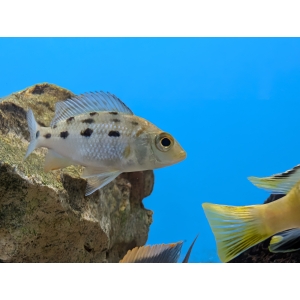
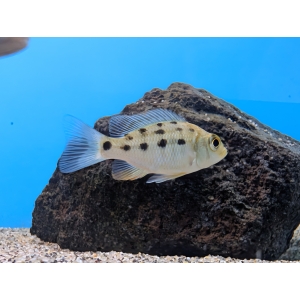
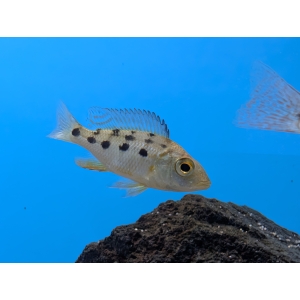


Malawi Sand Diver Fossorochromis rostratus
£18.00
Malawi Sand Diver Fossorochromis rostratus
Bulk Offer – 3 for £50.00
Discount will apply at checkout.
- Description
- Store Policies
- Enquiries
Description
Malawi Sand Diver (Fossorochromis rostratus):
Care Guide:
The Malawi Sand Diver (Fossorochromis rostratus) is a magnificent, large-growing cichlid endemic to Lake Malawi. It is highly celebrated by advanced aquarists for its impressive size, intricate patterning, and unique predator-escape behaviour of burying itself entirely in the substrate.
Species Overview
-
- Scientific Name: Fossorochromis rostratus
- Common Name: Malawi Sand Diver, Rostratus Cichlid
- Origin: Lake Malawi (East Africa)
- Adult Size: Males reach 25–30 cm (10–12 inches); females remain slightly smaller at 20–25 cm.
- Lifespan: 8–10 years
- Diet: Omnivorous / Sifter
- Temperament: Generally peaceful for a large Hap, but territorial during spawning.
Water Parameters
Maintaining stable, hard, and alkaline water conditions is critical to replicate the natural rift lake ecosystem.
-
- Temperature: 24°C – 28°C
- pH Range: 7.8 – 8.6
- Water Hardness: 10–25 dGH
- Nitrate Levels: Highly sensitive to organic waste; keep nitrates strictly below 20 mg/L.
Aquarium Setup
Tank Size
Due to their large adult size and active swimming nature, a minimum tank volume of 500 litres with a length of at least 180 cm (6 feet) is required for a small harem.
Aquascaping
-
- Substrate: A thick layer of fine, soft aquarium sand (at least 5–8 cm deep) is mandatory. When startled, this fish will rapidly dive headfirst into the sand to hide. Coarse gravel or sharp substrates will cause severe physical trauma and infections.
- Decor: Arrange rockwork primarily along the back and sides of the aquarium, leaving a massive, open sandy floor space. Ensure rocks are placed directly on the glass bottom rather than on top of the sand, as their digging will cause rock piles to collapse.
Diet and Feeding
In nature, Fossorochromis rostratus is a specialized feeder that sifts the sandy substrate for small invertebrates, often following digging cichlids like Taeniolethrinops to steal uncovered food.
-
- Primary Food: High-quality sinking cichlid pellets and large flakes.
- Live/Frozen Food: Mysis shrimp, krill, chopped prawns, and brine shrimp.
- Dietary Note: While they require protein, include some spirulina or vegetable matter to maintain optimal digestive health. Avoid high-fat foods or mammalian meat (like beef heart).
Behaviour and Compatibility
-
- Social Structure: Best kept in a harem of one male to three or more females. Multiple males will fight aggressively unless housed in an exceptionally vast aquarium.
- Temperament: Remarkably placid for a cichlid of its size, making it unsuitable for tanks with hyper-aggressive Mbuna cichlids.
- Suitable Tankmates: Other large, peaceful Lake Malawi Haps (such as Cyrtocara moorii or Nimbochromis species) and larger Aulonocara (Peacock cichlids).
- Avoid: Small fish that can easily fit into its large mouth, and overly aggressive rock-dwelling cichlids that may bully it.
Breeding
This species is a maternal mouthbrooder and can be bred successfully in a spacious aquarium.
- Spawning: The dominant male will clear a large pit in the sand to court females. The female deposits eggs in the pit, immediately picks them up in her mouth, and snaps at the male’s anal fin to trigger fertilisation.
- Incubation: The female holds a massive brood of up to 100 or more eggs in her buccal cavity for approximately 21–28 days.
- Fry Care: Once released, the fry are quite large and will immediately accept crushed flakes and baby brine shrimp. The female may offer protection to the fry for several days after their initial release.
Convenient nationwide delivery; you’re only a click away!
Our nationwide delivery service makes it easy to receive your fish directly at your door, anywhere in the UK, for a flat rate of just £30. This convenient service allows you to order up to 10kg of fish, with the assurance that they will arrive in excellent condition. To make the fishes journey as comfortable as possible we use Oxygen in the fish bags and heat packs in all the boxes of fish we send out.
For your peace of mind we enclose a slip which will explain what to do in the event of a fish not traveling too well.
We use a licensed courier to deliver your fish directly to you door and will be with you by 1pm the next day.
Our delivery days are as follows:
Tuesday for Wednesday delivery
Wednesday for Thursday delivery
Thursday for Friday delivery
Please put your desired delivery day in the Order Notes on the Checkout page.
General Enquiries
There are no enquiries yet.