Smudge Spot Catfish
£12.00
Smudge Spot Catfish
Bulk Offer – 3 for £33.00
Discount will apply at checkout.
- Description
- Store Policies
- Enquiries
Description
Corydoras similis:
Smudge-spot Catfish Care Guide
Common Names: , Scientific Name: Hoplisoma similis (formerly classified as Corydoras similis) Family: (Armoured Catfish family) Origin: South America (specifically, the Rio basin in Brazil, preferring clearwater and blackwater tributaries).
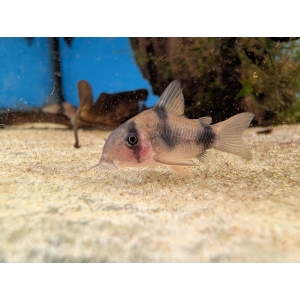
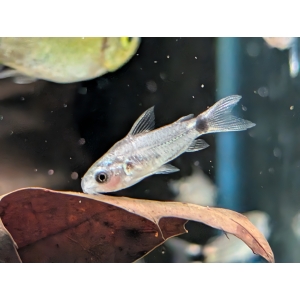
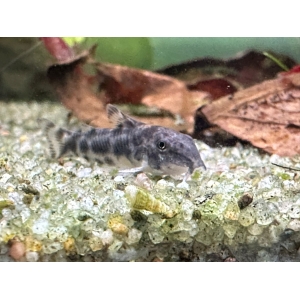
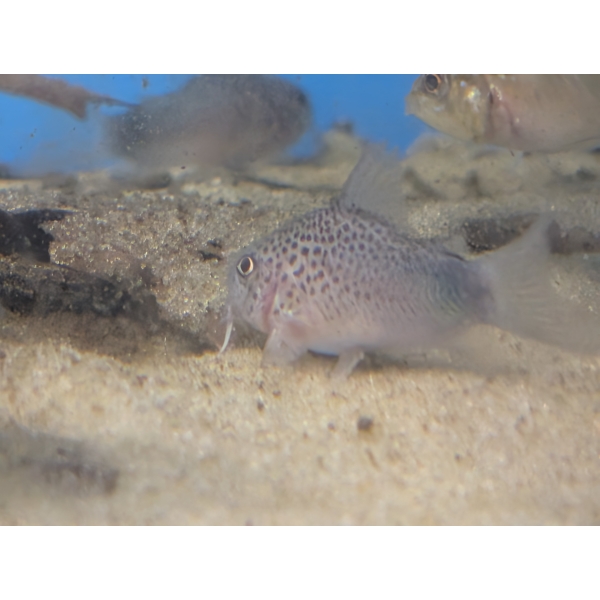
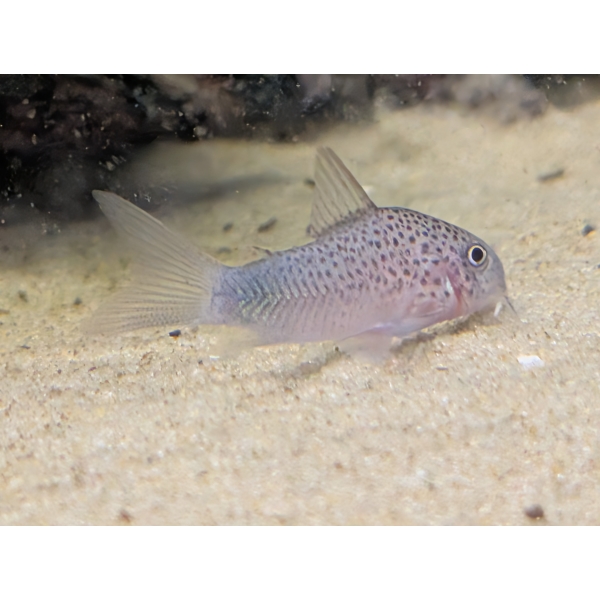
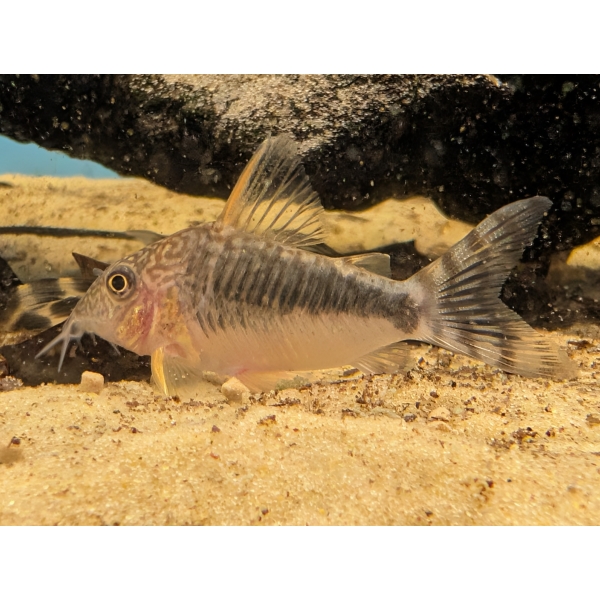
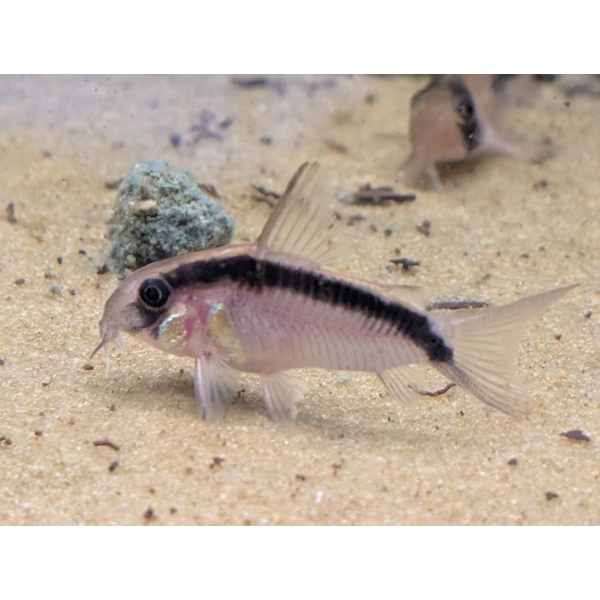
The is a charming and highly energetic member of the Corydoras genus. It is easily distinguished by its of dense black spots over a light body, often merging into a large, signature ‘smudge’ near the tail. They are excellent community fish, providing constant activity and interest at the bottom level of the aquarium.
Key Characteristics and Appearance
- Size: This is a small species, reaching an adult length of approximately (just under inches).
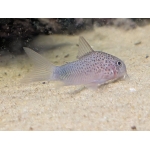
- Appearance: They have a classic shape with a light cream or pinkish-tan base . They are covered in numerous, densely packed small black spots that often concentrate into a larger, noticeable black mark on the caudal peduncle (the area before the tail fin).
- Temperament: Extremely peaceful, suitable for all calm community aquariums. They are active during the day.
- Activity: They are continuously active, foraging in the substrate and are often seen darting to the surface to gulp air (a natural that assists in supplementing oxygen intake).
Aquarium Setup Requirements
Like all , these fish thrive in clean, stable water and require specific substrate to protect their sensitive .
Tank Size and Substrate
- Minimum Tank Size: A tank is the minimum required for a healthy shoal. They need space on the bottom for foraging and shoaling .
- Substrate: Fine, smooth aquarium sand is essential. Their delicate are used to sift through the substrate for food; coarse gravel will cause abrasion, leading to infection and loss of sensation.
- Decor: Provide ample natural cover. Use pieces of smooth or and arrange rocks so there are no sharp edges. Dense planting, particularly broad-leaf plants and floating vegetation, is highly appreciated as it provides shaded areas for resting.
Water Parameters
This species originates from and tributaries of the Rio , preferring soft and slightly acidic conditions.
| Parameter | Recommended Range |
|---|---|
| Temperature | to ( to ) |
| to (Acidic to Neutral) | |
| Hardness () | Soft () |
Filtration and Maintenance
High water quality is non-negotiable. Use a strong filter for excellent . As active bottom-dwellers, they produce a fair amount of waste, so weekly water changes of to are necessary. Adding dried Indian or peat to the filter media can help simulate the natural blackwater conditions they prefer and keep the low.
Diet and Social Needs
Dietary Needs
are omnivorous. They are dedicated bottom-feeders and must receive sinking food items.
- Staple: High-quality sinking catfish wafers, tablets, or micro-granules should be fed daily. Ensure the food is small enough for their mouths.
- Supplement: A varied diet is crucial. Offer live or frozen treats several times a week, such as bloodworms, , worms, and .
- Foraging: Make sure to scatter the food widely over the sandy area to allow all members of the shoal to feed without undue competition.
Social Requirements and Compatibility
- Shoaling: A strong shoal is essential. You must keep a minimum of six to eight individuals. When kept in proper numbers, they are bold and active; kept alone, they become stressed, shy, and prone to poor health.
- Tank Mates: They are ideal tank mates for other peaceful, soft-water species. Good companions include , , , and like species. Avoid any large or aggressive bottom-dwelling fish that might compete with them or injure them.
Convenient nationwide delivery; you’re only a click away!
Our nationwide delivery service makes it easy to receive your fish directly at your door, anywhere in the UK, for a flat rate of just £30. This convenient service allows you to order up to 10kg of fish, with the assurance that they will arrive in excellent condition. To make the fishes journey as comfortable as possible we use Oxygen in the fish bags and heat packs in all the boxes of fish we send out.
General Enquiries
There are no enquiries yet.