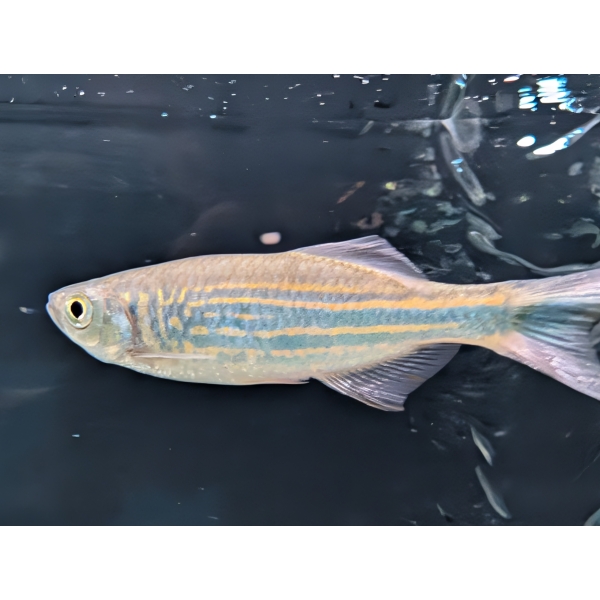




Wild Giant Danio
£4.00
Giant Danio
Bulk Offer – 6 for £22.00
Discount will apply at checkout.
- Description
- Store Policies
- Enquiries
Description
Giant Danio Devario aequipinnatus
Profile & Care Sheet
Overview
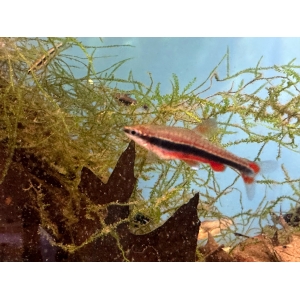
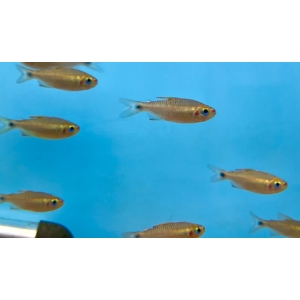
The Giant Danio is a large, energetic, and highly visible species of cyprinid fish, renowned for its hardiness and schooling behaviour. Native to South and Southeast Asia, it is a popular choice for larger community aquariums due to its striking iridescent stripes and lively nature.
| Trait | Detail |
|---|---|
| Origin | South and Southeast Asia (India, Nepal, Sri Lanka, Thailand, etc.) |
| Family | Cyprinidae (Minnows/Carps) |
| Temperament | Active, peaceful, and a highly social schooling fish. |
| Adult Size | 10 to 15 cm (approx 4 to 6 inches) |
| Lifespan | 5 to 7 years (potentially longer with excellent care) |
| Diet | Omnivore |
| Aquarium Type | Large community tank, river-style biotope. |
Water Parameters
The Giant Danio is relatively adaptable but thrives best in clean, well-oxygenated water that mimics its natural flowing river habitat.
| Parameter | Recommended Range | Notes |
|---|---|---|
| Temperature | 20C to 26C (68F to 79F) | Prefers cooler, temperate conditions. |
| pH | 6.0 to 8.0 | Highly tolerant of a wide range. |
| Hardness (GH) | 5 to 15 dGH | Soft to moderately hard water. |
| Filtration | Strong, efficient filtration is essential. | Required to maintain water quality and current. |
| Water Changes | 25 to 50 weekly is vital. | They tolerate high flow, so aim for a strong current. |
Aquarium Setup
- Tank Size: Due to their adult size and high activity levels, a minimum tank size of 250 litres (approx. 55 UK gallons) is recommended for a healthy school. The tank must have plenty of length for swimming.
- Substrate: Fine gravel or sand is suitable.
- Decoration: Utilise smooth river stones, driftwood, and robust plants (e.g., Anubias, Java Fern) that can handle some water movement.
- Lighting: Standard aquarium lighting is fine.
- Flow/Current: A strong water current is highly beneficial and encourages natural behaviour and activity. Position the filter outlet or powerhead to create a good flow throughout the tank.
- Lid: They are powerful jumpers, particularly when startled. A tight-fitting, weighted lid is crucial to prevent escape.
Feeding
Giant Danios are unfussy omnivores and should be offered a varied diet to ensure optimal health and vibrant colouration.
- Staple Diet: High-quality flake food or sinking pellets form the basis of their diet.
- Variety/Supplement: Supplement their diet regularly with frozen or live foods, such as Daphnia, Bloodworms, and Brine Shrimp.
- Vegetation: They also appreciate some vegetable matter; spirulina flakes or blanched vegetables (e.g., peas) can be offered occasionally.
- Frequency: Feed small amounts two to three times per day.
Behaviour & Tank Mates
- Schooling: Giant Danios are obligate schooling fish. They must be kept in groups of at least six to eight individuals to prevent stress, shyness, and erratic behaviour. A larger school is always preferred.
- Temperament: They are peaceful towards other species but their sheer speed and size can intimidate or stress smaller, slower fish.
- Suitable Tank Mates: They make excellent companions for other large, active, and robust species, such as Rainbowfish, larger Barbs (e.g., Tinfoil or Gold Barb), larger Loaches (e.g., Yoyo or Skunk Loach), and many peaceful Cichlids (e.g., Bolivian Rams).
- Avoid: They should not be kept with very small, delicate, or slow-moving fish (like Angelfish or Gourami with long feelers) as they may outcompete them for food or stress them with their constant activity.
Breeding
Breeding Giant Danios is relatively straightforward in a dedicated setup. They are egg scatterers and do not exhibit parental care.
- Breeding Tank: Set up a separate, smaller tank (60 to 80 litres) with soft, slightly acidic water and a water temperature of around 25C.
- Spawning Mop: Use a substrate of glass marbles, a mesh bottom, or a large nylon spawning mop to allow the eggs to fall out of reach of the adults, who will readily consume them.
- Conditioning: Condition the breeding pair (or group) with high-protein live foods (e.g., live Bloodworms) for several days.
- Spawning: Spawning typically occurs in the morning. The female will scatter hundreds of non-adhesive eggs among the fine-leaved plants or spawning mop.
- Fry Care: Remove the parents immediately after spawning. The eggs will hatch within 24 to 36 hours. Fry are tiny and initially require microscopic food like Infusoria or commercially prepared liquid fry food before moving onto newly hatched Brine Shrimp nauplii.
Convenient nationwide delivery; you’re only a click away!
Our nationwide delivery service makes it easy to receive your fish directly at your door, anywhere in the UK, for a flat rate of just £30. This convenient service allows you to order up to 10kg of fish, with the assurance that they will arrive in excellent condition. To make the fishes journey as comfortable as possible we use Oxygen in the fish bags and heat packs in all the boxes of fish we send out.
Please put your desired delivery day in the Order Notes on the Checkout page.
General Enquiries
There are no enquiries yet.