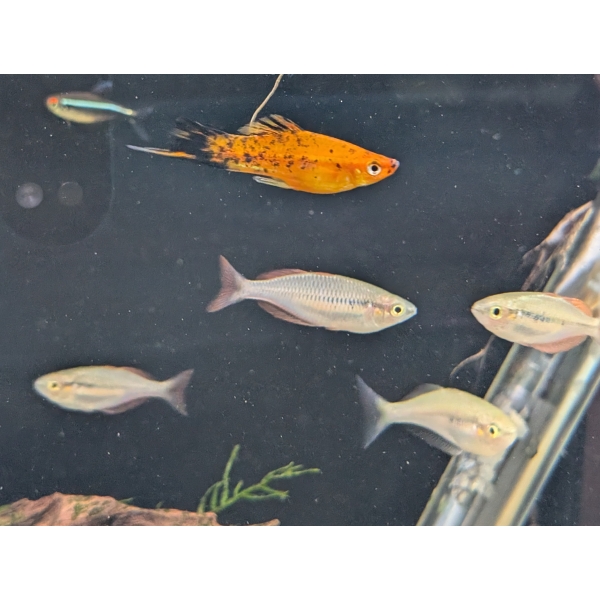



Lake Kurumoi Rainbowfish (M.parva)
£6.00
Bulk Offer – 3 for £27.00
Discount will apply at checkout.
- Description
- Store Policies
- Enquiries
Description
Lake Kurumoi Rainbowfish Melanotaenia parva:
A Comprehensive Overview
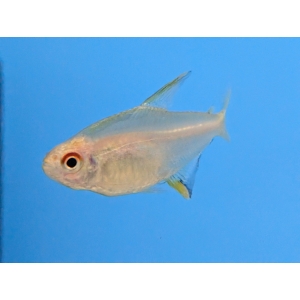
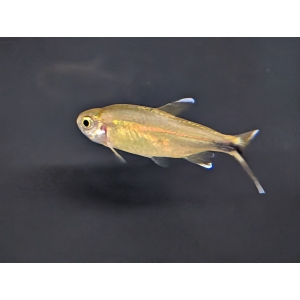
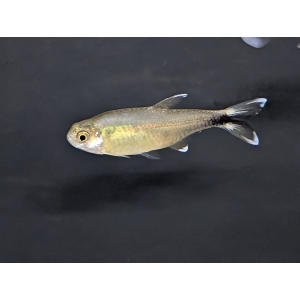
Melanotaenia parva, commonly known as the Lake Kurumoi Rainbowfish or Dwarf Rainbowfish, is a captivating and relatively small species of freshwater fish belonging to the family Melanotaeniidae. Endemic to a single, isolated lake in West Papua, Indonesia, this vibrant fish is highly prized by aquarists for its stunning colouration and peaceful disposition, making it an excellent addition to community aquariums.
Taxonomy and Classification
- Kingdom: Animalia
- Phylum: Chordata
- Class: Actinopterygii
- Order: Atheriniformes
- Family: Melanotaeniidae (Rainbowfishes)
- Genus: Melanotaenia
- Species: Melanotaenia parva
The species name “parva” is Latin for “small,” accurately reflecting its diminutive size compared to many other rainbowfish species.
Habitat and Distribution
Melanotaenia parva is a micro-endemic species, found exclusively in Lake Kurumoi (also known as Lake Kuromoi or Lake Kurumoi-Kuromoi) on the Bird’s Head Peninsula (Vogelkop) of West Papua, Indonesia. This small, isolated freshwater lake is characterised by clear, relatively hard, and alkaline water. The lake’s edges are often densely vegetated, providing shelter and foraging grounds. The water temperature in its natural habitat typically ranges from 23-27°C (76-83°F).
Physical Characteristics
The Lake Kurumoi Rainbowfish is one of the smaller rainbowfish species, usually reaching an adult size of approximately 12 cm (5 inches) in total length. Its colouration is particularly striking, especially in mature males.
Key physical characteristics include:
- Body Shape: Laterally compressed and elongated, with the typical high-backed profile of rainbowfishes, though less pronounced than some larger species.
- Colouration: Males display a beautiful array of colours, often featuring iridescent blues, greens, and yellows, with prominent red or orange fins. A distinct dark lateral stripe may be present, particularly when the fish is stressed or during spawning. Females are generally less colourful, exhibiting more subdued silvery or yellowish tones.
- Fins: Dorsal and anal fins are often elongated in mature males.
- Eyes: Relatively large.
Diet and Feeding
In its natural habitat, Melanotaenia parva is an omnivore, feeding on small aquatic invertebrates, insect larvae, algae, and detritus. In an aquarium setting, they are unfussy eaters and will readily accept a variety of high-quality foods.
Suitable foods include:
- Flake Food & Pellets: High-quality flake food and small sinking pellets should form the staple of their diet.
- Frozen Foods: Frozen brine shrimp, daphnia, and bloodworms are excellent protein supplements.
- Live Foods: Live microworms, daphnia, and baby brine shrimp are eagerly accepted and can help condition them for breeding.
- Vegetables: Occasional blanched vegetables like spinach or spirulina flakes can also be offered.
A varied diet is crucial for maintaining their vibrant colouration and overall health.
Behaviour and Temperament
The Lake Kurumoi Rainbowfish is a peaceful, active, and schooling species. They thrive when kept in groups of at least 6-8 individuals, which encourages their natural shoaling behaviour and reduces stress. In larger groups, males will often display their most intense colours as they compete for female attention. They are an excellent choice for community aquariums with other similarly sized, peaceful fish. Their active nature means they appreciate ample swimming space.
Reproduction
Melanotaenia parva are egg-scatterers and typically spawn among fine-leaved plants or spawning mops. Breeding in captivity is achievable and can be quite rewarding.
- Spawning: Females scatter small, adhesive eggs over fine-leaved plants or a spawning mop, which the male then fertilises. Spawning often occurs over several days.
- Parental Care: There is no parental care; adults may predate on eggs and fry.
- Fry Care: Eggs usually hatch within 7-10 days, and the fry are very small, initially requiring infusoria or liquid fry food, gradually moving to baby brine shrimp as they grow. A separate breeding tank is recommended for successful rearing.
Conservation Status
Due to its extremely limited distribution in a single lake, Melanotaenia parva is considered vulnerable to habitat degradation. While not extensively assessed by the IUCN, any environmental changes, pollution, or introduction of invasive species to Lake Kurumoi could have a devastating impact on its wild population. Sustainable collection practices and captive breeding programmes are vital for its continued presence in the hobby and its long-term survival.
Aquarium Care
For aquarists interested in keeping Melanotaenia parva, here are some essential care guidelines:
- Tank Size: A minimum of 60 litres (15 gallons) for a small group (6-8 fish). Larger tanks are always beneficial for stability and swimming space.
- Water Parameters:
- Temperature: 23-27°C (76-83°F) – they prefer warmer water than many other rainbowfish.
- pH: 7.0-8.0 (neutral to alkaline)
- Hardness: 8-15 dGH (moderately hard)
- Filtration: Good filtration is essential to maintain high water quality, but strong currents should be avoided.
- Decor: Provide open swimming areas along with some areas of dense planting, driftwood, and rocks to offer hiding spots.
- Substrate: Fine gravel or sand is suitable.
- Lighting: Moderate to bright lighting is generally suitable, which can also encourage plant growth.
- Tank Mates: Excellent tank mates include other peaceful rainbowfish species, small tetras, rasboras, peaceful dwarf cichlids, corydoras, and other non-aggressive community fish. Avoid housing them with large or aggressive species.
- Maintenance: Regular weekly water changes (25-30%) are crucial for maintaining pristine water quality, which is vital for their health and colouration.
By providing a stable, well-maintained environment with appropriate water parameters and a varied diet, the Lake Kurumoi Rainbowfish can be a stunning and engaging addition to a freshwater aquarium.
Convenient nationwide delivery; you’re only a click away!
General Enquiries
There are no enquiries yet.